




What's Happening?
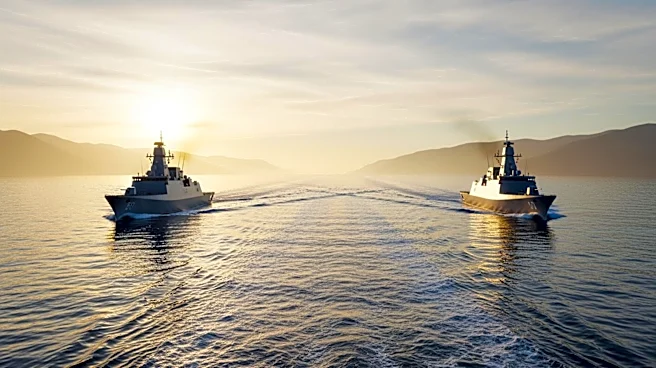
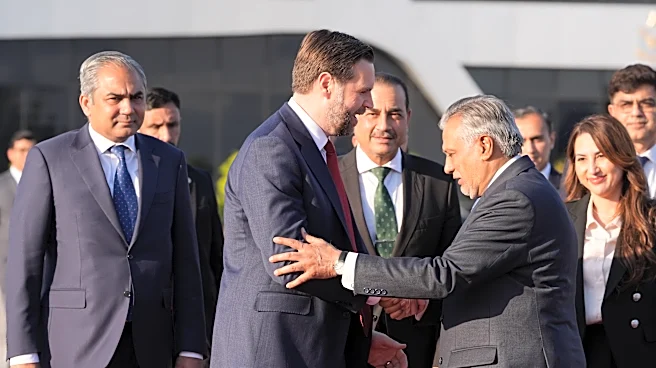
President Trump announced that the U.S. Navy will begin blockading the Strait of Hormuz to intercept ships that have paid tolls to Iran. This decision follows unsuccessful talks in Pakistan aimed at resolving tensions between the U.S. and Iran. Iran's
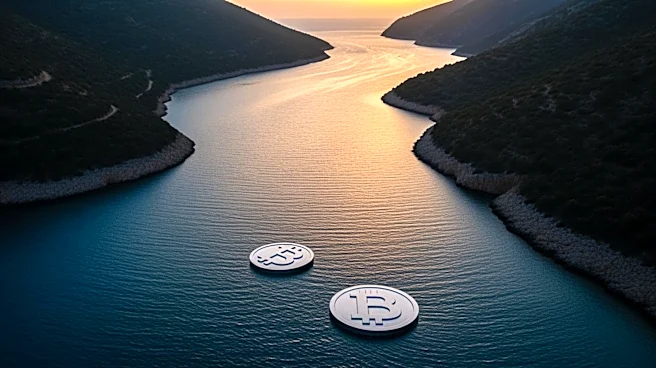
Islamic Revolutionary Guard Corps has reportedly established a 'toll booth' system in the strait, requiring vessels to pay fees for safe passage. The U.S. views these tolls as illegal, and the blockade is intended to prevent Iran from profiting from this practice. The move comes after Iran indicated it might impose tolls on all ships passing through the strait as part of a long-term peace deal.
Why It's Important?
The Strait of Hormuz is a critical chokepoint for global oil shipments, and any disruption could have significant economic and geopolitical consequences. The U.S. blockade could escalate tensions in the region, potentially affecting global oil prices and international shipping routes. The decision underscores the ongoing conflict between the U.S. and Iran, particularly concerning Iran's nuclear ambitions. The blockade could also strain U.S. relations with countries that rely on the strait for oil transport, potentially leading to broader international disputes.
What's Next?
The U.S. Navy's blockade is expected to begin shortly, with other countries potentially joining the effort. The situation may lead to increased military presence in the region and heightened tensions between the U.S. and Iran. The international community may respond with diplomatic efforts to de-escalate the situation and find a resolution to the toll issue. The blockade's impact on global oil markets and shipping industries will be closely monitored, with potential implications for international trade and energy security.