






What's Happening?
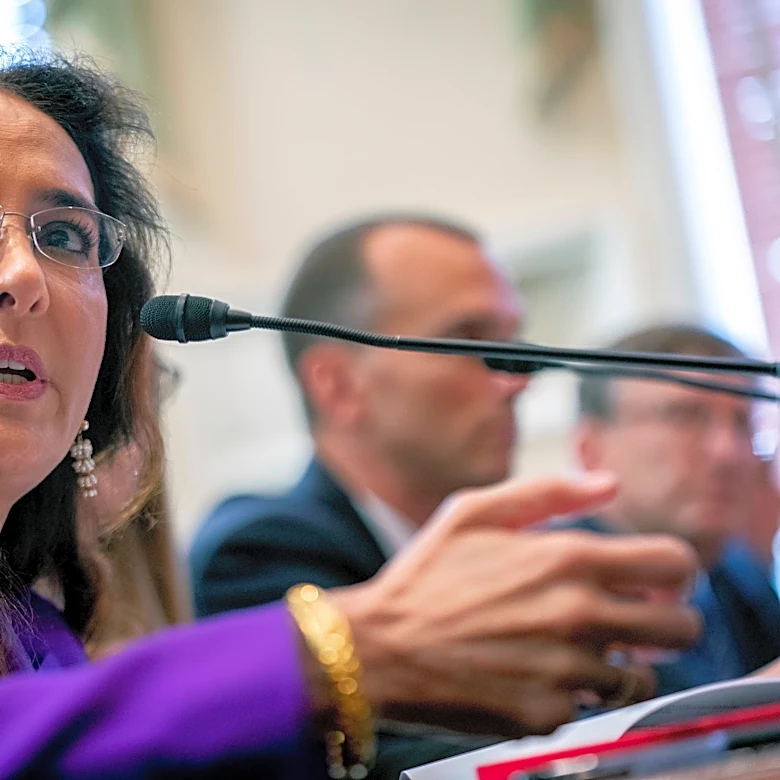
Congresswoman Celeste Maloy (R-UT) co-chairs the bipartisan Caucus to End Youth Vaping and has partnered with Congressman Raja Krishnamoorthi (D-IL) in advocating for stronger FDA enforcement against flavored e-cigarettes. This collaboration comes amidst
controversy surrounding the Food and Drug Administration’s (FDA) decision to authorize the marketing of the JUUL2 e-cigarette device and its tobacco- and menthol-flavored pods. Congressman Krishnamoorthi criticized the FDA's decision, noting that the agency itself acknowledged the menthol product could appeal to young people. He emphasized that the FDA should be cracking down on products that hook children on nicotine, rather than authorizing them. The FDA's authorization follows a previous approval of other JUUL tobacco- and menthol-flavored products in July 2025, based on a determination that their benefits for adult smokers outweigh potential risks, including youth appeal.
Why It's Important?
The efforts of Congresswoman Maloy and Congressman Krishnamoorthi to combat youth vaping are critically important due to the ongoing public health crisis of nicotine addiction among young people in the U.S. The FDA's authorization of new JUUL2 products, particularly menthol flavors, directly conflicts with the stated goal of protecting youth, as menthol is known to enhance the appeal of tobacco products to younger users. This situation highlights a significant regulatory challenge: balancing harm reduction for adult smokers with preventing youth initiation. The bipartisan nature of the Caucus to End Youth Vaping underscores the widespread concern across the political spectrum regarding this issue. Stronger FDA enforcement, as advocated by Maloy and Krishnamoorthi, is crucial to curb the availability of flavored e-cigarettes that attract minors and to hold manufacturers accountable for marketing practices that contribute to youth addiction.
What's Next?
Congressman Krishnamoorthi has vowed to continue fighting to hold 'Big Tobacco' accountable and protect the next generation from nicotine addiction. This suggests ongoing legislative and oversight efforts by the bipartisan Caucus to End Youth Vaping, co-chaired by Congresswoman Maloy. These efforts will likely include pushing for stricter FDA regulations, potentially challenging the recent JUUL2 authorization, and advocating for policies that ban flavored e-cigarettes and close loopholes in existing laws. The PROTECT Act, which would authorize $100 million annually for five years for a CDC initiative to prevent and reduce youth e-cigarette use, is an example of such legislative action. The FDA's future decisions regarding e-cigarette product authorizations and enforcement actions will be closely watched by lawmakers, public health advocates, and the vaping industry.
Beyond the Headlines
The controversy surrounding youth vaping and the FDA's regulatory decisions, with Congresswoman Maloy's involvement, delves into deeper societal and ethical considerations regarding corporate responsibility and public health. The history of JUUL's marketing tactics, which fueled a youth vaping epidemic, raises questions about the effectiveness of current regulatory frameworks in preventing companies from targeting vulnerable populations. The debate also touches on the role of government in protecting public health versus individual freedoms, particularly concerning products that are legal for adults but harmful to minors. The long-term health consequences of youth vaping, including potential impacts on brain development and increased risk of traditional cigarette use, pose a significant burden on the U.S. healthcare system and future generations. This ongoing struggle highlights the need for a comprehensive public health strategy that combines robust regulation, educational campaigns, and cessation support to address the complexities of nicotine addiction.