





What's Happening?
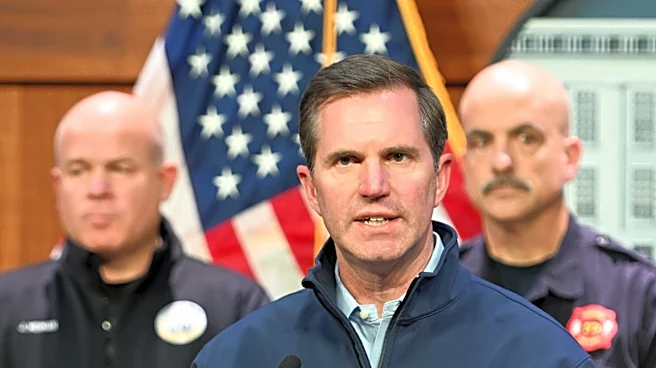
Kentucky Attorney General Russell Coleman, along with a bipartisan coalition of 49 attorneys general, is urging the Federal Communications Commission (FCC) to enhance its Robocall Mitigation Database. This action marks the fourth letter sent by the coalition to the FCC concerning
consumer protection against illegal robocalls. Phone service providers are required to register with this database and detail their robocall prevention measures before transmitting calls through U.S. phone networks. The coalition argues that the current system allows scammers and bad actors to easily enter and remain listed in the database, undermining its effectiveness. They are advocating for stronger oversight and guidelines to deter noncompliant providers.
Why It's Important?
The push to strengthen the Robocall Mitigation Database is crucial for protecting U.S. consumers from the pervasive issue of illegal robocalls, which often lead to fraud and harassment. By improving the database's integrity, the coalition aims to reduce the volume of unwanted calls, thereby safeguarding individuals' privacy and financial well-being. The involvement of a bipartisan group of attorneys general underscores the widespread impact of robocalls and the national consensus on the need for more robust regulatory measures. This initiative could lead to a more secure telecommunications environment, restoring public trust in phone communications and reducing the burden on law enforcement agencies that investigate robocall-related crimes.
What's Next?
The attorneys general are urging the FCC to implement several key improvements. These include ensuring the accuracy and completeness of all information submitted to the database, requiring additional disclosures from providers regarding their use of third parties and claims of domestic presence, and making it more difficult for bad actors to enter or re-enter the database. The coalition supports the FCC's proposed methods for suspending or removing noncompliant entities, strengthening mitigation plans, and requiring evidence of solvency. These recommendations, if adopted, would significantly enhance the FCC's ability to combat illegal robocalls and protect consumers more effectively.
Beyond the Headlines
Beyond the immediate goal of reducing robocalls, this initiative highlights the ongoing challenge of regulating rapidly evolving communication technologies. The need for continuous adaptation in regulatory frameworks to counter sophisticated fraudulent schemes is evident. This effort also reflects a broader trend of state attorneys general collaborating on national issues that affect their constituents, demonstrating the power of collective action in influencing federal policy. The success of these measures could set a precedent for how regulatory bodies and state governments work together to address other technology-driven consumer protection challenges, fostering a more secure digital and telecommunications landscape.