




What's Happening?
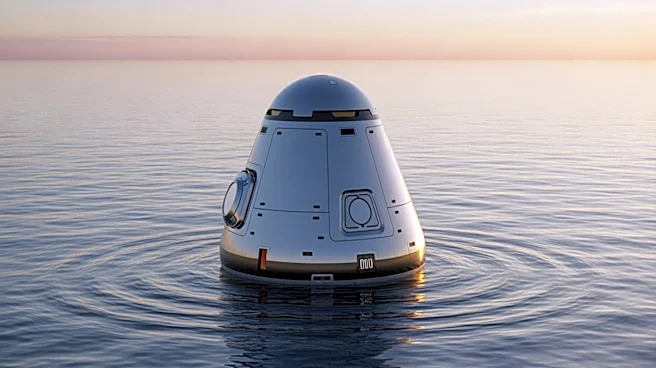
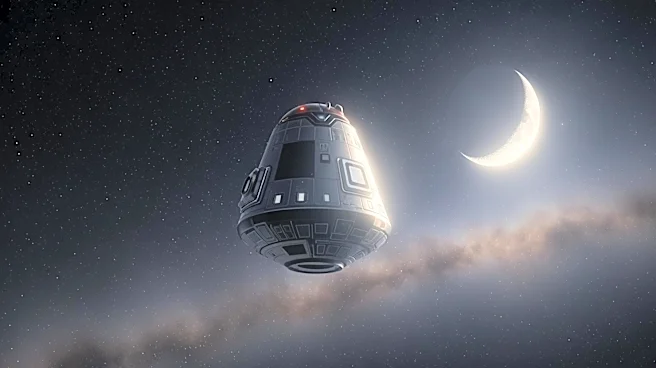
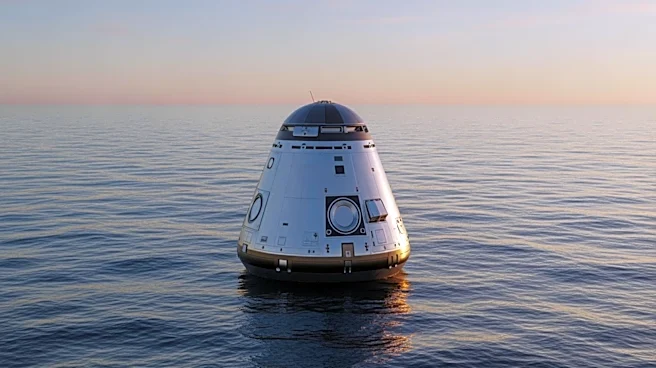
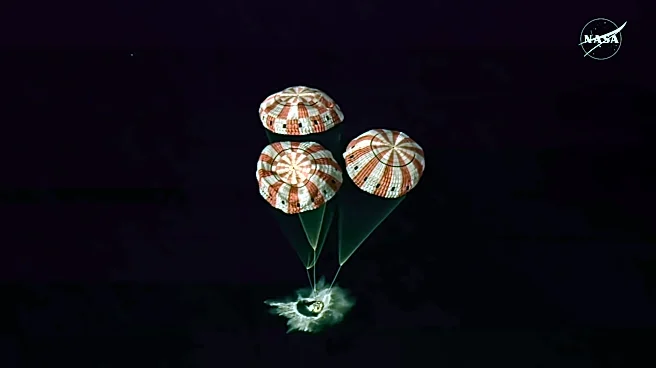
NASA's Artemis II mission has returned safely to Earth, with the Orion capsule splashing down in the Pacific Ocean. The mission, which included astronauts Reid Wiseman, Victor Glover, Christina Koch, and Canadian astronaut Jeremy Hansen, traveled further
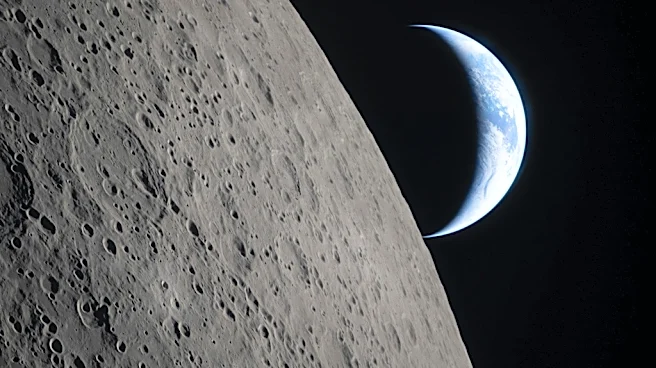
into space than any previous human mission. The crew orbited the moon, exploring its far side and witnessing a solar eclipse. The successful recovery of the capsule off the coast of California marks a significant achievement in space exploration, furthering scientific knowledge and paving the way for future missions.
Why It's Important?
The Artemis II mission represents a major step forward in human space exploration, setting the stage for future lunar landings and the potential establishment of a lunar base. By breaking previous records for distance traveled from Earth, the mission demonstrates the capabilities of modern space technology and the potential for deeper space exploration. The mission's success also reinforces NASA's leadership in space exploration and its commitment to international collaboration, as evidenced by the inclusion of a Canadian astronaut in the crew.
What's Next?
With the successful completion of Artemis II, NASA is now focused on preparing for Artemis III, which aims to land astronauts on the moon. This mission will be crucial for establishing a sustainable human presence on the lunar surface and will serve as a precursor to future Mars missions. NASA will continue to analyze the data collected during Artemis II to refine its strategies and technologies for upcoming missions. The agency will also work with international partners to expand the scope of its exploration efforts.