


What's Happening?
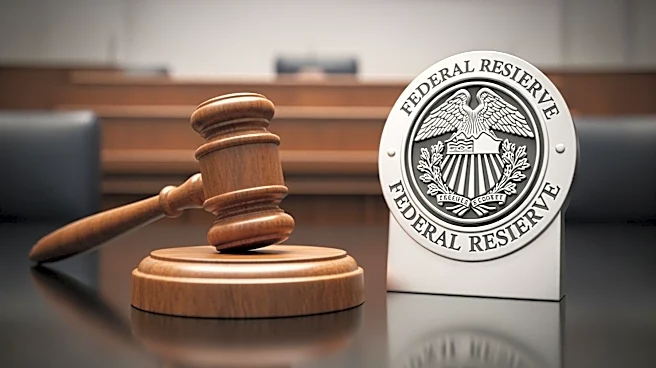
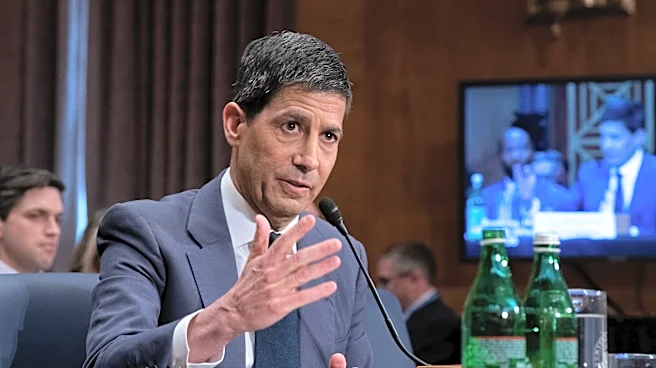
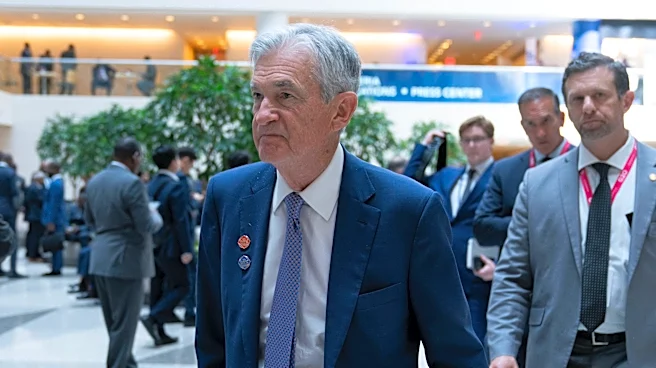
Senator Thom Tillis has announced his decision to end the blockade on the confirmation of Kevin Warsh as the next Federal Reserve Chair. This decision follows the U.S. Department of Justice's decision to drop its criminal investigation into current Fed Chair Jerome
Powell. With Tillis's support, Warsh's confirmation is now likely, as the Senate Banking Committee prepares to vote on his nomination. Tillis had previously withheld his vote pending assurances that the DOJ would not use its powers to threaten the Fed's independence. Warsh, nominated by President Trump, is expected to bring significant changes to the Fed, including potential rate cuts and a new approach to measuring inflation.
Why It's Important?
The confirmation of Kevin Warsh as Fed Chair could lead to significant shifts in U.S. monetary policy. Warsh's potential rate cuts and changes in inflation measurement could impact economic growth, inflation, and employment. His leadership may also influence the Fed's response to rising energy prices and other economic challenges. The resolution of the DOJ investigation into Powell removes a significant political obstacle, allowing the Fed to focus on its economic mandate. Tillis's decision underscores the importance of maintaining the Fed's independence from political pressures, which is crucial for effective monetary policy.
What's Next?
The Senate Banking Committee is set to vote on Warsh's confirmation, with the full Senate likely to follow. If confirmed, Warsh will need to navigate complex economic conditions, including the ongoing war in Iran and its impact on energy prices. His proposed changes at the Fed will require collaboration with other members of the Federal Open Market Committee. Meanwhile, Jerome Powell will remain a voting member of the Fed's board until 2028, potentially influencing future policy decisions. The outcome of this confirmation process will be closely watched by financial markets and policymakers.