



What's Happening?
Navi Mumbai has been declared the cleanest city in India, according to the latest Swachh Survekshan awards, a central government program aimed at assessing urban sanitation and waste management. Gujarat's Surat secured the second position, with Vijayawada
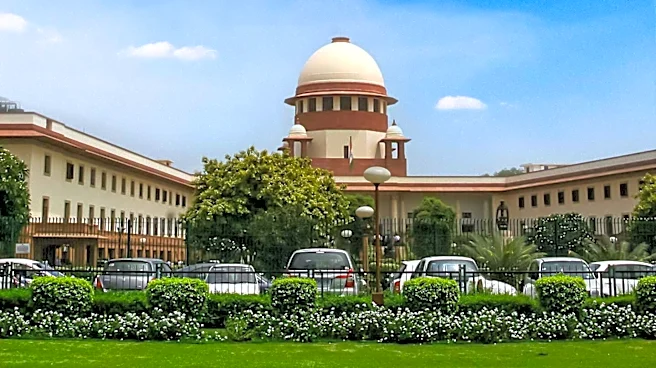
in Andhra Pradesh coming in third. This year's results mark a significant shift, as Indore, which had held the title of the cleanest city for the past eight years, did not feature among the top winners. The awards were presented by President Droupadi Murmu. The Swachh Survekshan initiative is a flagship assessment under the Swachh Bharat Mission-Urban, designed to enhance urban hygiene and waste management practices across the country. Over 4,751 cities participated in this edition of the survey. Other notable recognitions included Ujjain as the cleanest urban center in the three to ten lakh population category, Puri as the cleanest Swachh Coastal Town, and Rudrapur as the cleanest Himalayan city.
Why It's Important?
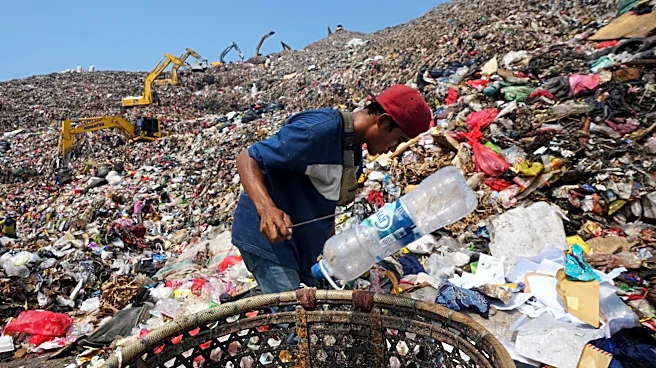
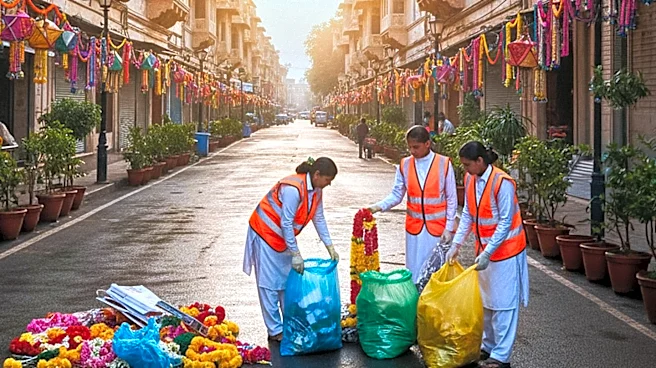
The recognition of Navi Mumbai as India's cleanest city highlights the evolving landscape of urban sanitation and waste management efforts across the nation. This shift from Indore, a long-standing leader, indicates increased competition and improved performance among various cities in their cleanliness initiatives. Such awards incentivize municipal bodies to enhance their urban sanitation infrastructure, waste collection, and public hygiene programs, directly impacting the quality of life for residents. Improved cleanliness can lead to better public health outcomes, reduced environmental pollution, and enhanced urban aesthetics, potentially attracting investment and tourism. The Swachh Survekshan survey plays a crucial role in fostering a competitive spirit among cities, driving them to adopt more effective and sustainable waste management practices, which is vital for India's urban development and environmental goals.
What's Next?
Following this recognition, Navi Mumbai is expected to continue its efforts in maintaining and further improving its sanitation standards, potentially serving as a model for other cities. The Swachh Survekshan program itself is set to introduce several enhancements for the 2025-26 awards. These include a greater emphasis on citizen feedback, expanded coverage to include Urban River Fronts, Coastlines, and Water bodies, and more focused indicators on preventing open defecation and urination. Additionally, there will be increased attention on the cleanliness of tourist and heritage hotspots, as well as behavior change initiatives in schools. These upcoming changes suggest a more comprehensive and citizen-centric approach to urban cleanliness assessments, which will likely drive further innovation and participation from cities across India in their pursuit of better sanitation and hygiene.
Beyond the Headlines
The Swachh Survekshan awards reflect a broader societal shift towards greater awareness and demand for urban cleanliness and environmental sustainability in India. Beyond the immediate recognition, these rankings can influence civic pride, local governance priorities, and public participation in cleanliness drives. The emphasis on citizen feedback in future assessments underscores a move towards more participatory governance, where residents' perceptions and experiences directly contribute to a city's ranking. This initiative also highlights the complex challenges of managing waste and sanitation in rapidly urbanizing areas, pushing for innovative solutions and sustained efforts from local authorities. The competition fostered by such surveys can lead to long-term behavioral changes among citizens and institutions, promoting a culture of cleanliness and environmental responsibility that extends beyond the scope of the annual assessment.