







What's Happening?
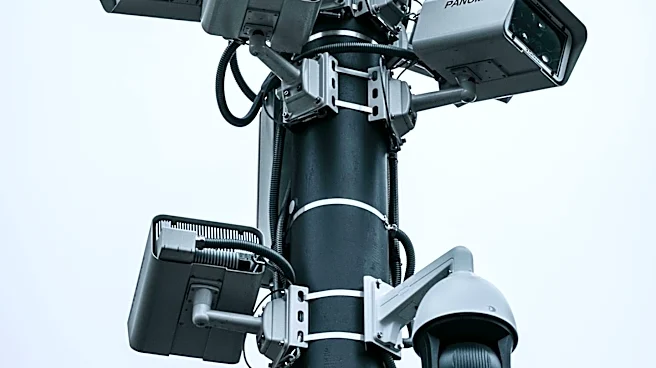
A recent survey by Axis Communications, titled 'Public Perception of Video Surveillance,' indicates a significant shift in public sentiment towards video surveillance in the United States. The research found that 58% of U.S. respondents are now more comfortable
with video surveillance in both public and private spaces compared to five years ago. This increased comfort is particularly noted in transit hubs, retail centers, and educational campuses. Only 11% of respondents reported feeling less comfortable, while 31% remained neutral or unsure. Awareness of video surveillance systems is also high, with 70% of respondents stating they are 'extremely' or 'very' aware of their presence in public areas. The survey highlights that while comfort levels are rising, the public expects greater transparency and stronger data privacy protections regarding the use of this technology. Specific AI uses in surveillance, such as real-time threat detection and high-stakes law enforcement applications, received the highest levels of comfort, along with automated administrative functions like streamlining airport security.
Why It's Important?
This shift in public perception has significant implications for industries and public policy in the U.S. The growing acceptance of video surveillance, particularly with AI integration, could lead to increased deployment of these systems in various sectors, including retail, transportation, and education. For businesses, this means a potential expansion of the security technology market and a need to invest in transparent and ethically sound surveillance practices to maintain public trust. Law enforcement agencies may find greater public support for advanced surveillance tools, potentially enhancing their capabilities in crime prevention and investigation. However, the public's demand for strong data privacy protections and transparency underscores the critical need for policymakers to establish clear regulations and guidelines for the ethical use of surveillance technology, especially AI-driven systems. Companies that prioritize these ethical considerations and implement robust privacy safeguards are likely to gain a competitive advantage, while those that fail to do so risk public backlash and regulatory scrutiny. The generational differences in comfort levels, with Gen Z being more hesitant, suggest that future policy and business strategies will need to address varying concerns across demographic groups.
What's Next?
Moving forward, security vendors and organizations deploying video surveillance systems will likely focus on building and maintaining public trust through enhanced transparency and robust data privacy measures. This could involve clearer signage indicating surveillance, explicit explanations of the technology's purpose, and the implementation of strong data protection protocols. Policymakers may face increasing pressure to develop comprehensive regulations that balance public safety needs with individual privacy rights, particularly concerning AI-driven surveillance. The industry is expected to see continued innovation in surveillance technologies, with a strong emphasis on features that address public concerns about accuracy and misuse of data. Companies that can demonstrate effective security and privacy safeguards will likely lead the market. Furthermore, ongoing public discourse and research will be crucial to monitor evolving sentiments and adapt strategies to ensure the responsible and ethical deployment of video surveillance in the U.S.
Beyond the Headlines
The increasing comfort with video surveillance, particularly AI-driven applications, touches upon deeper societal implications regarding privacy, security, and the role of technology in public spaces. While the immediate benefit is perceived enhanced safety and efficiency, the long-term shift could normalize pervasive monitoring, potentially altering social behaviors and expectations of anonymity. The public's concern about 'false positives or inaccurate information' and 'potential for misuse or mishandling of information' highlights an underlying tension between technological capability and human trust. This suggests a critical ethical challenge for developers and deployers of AI surveillance: ensuring the accuracy and integrity of these systems to prevent wrongful accusations or discriminatory outcomes. The generational divide in comfort levels also points to a potential future where digital natives, despite their tech-savviness, may be more acutely aware of and resistant to surveillance overreach, potentially leading to future debates on digital rights and freedoms. The balance between security and liberty will remain a central theme as these technologies become more integrated into daily life.