





What's Happening?
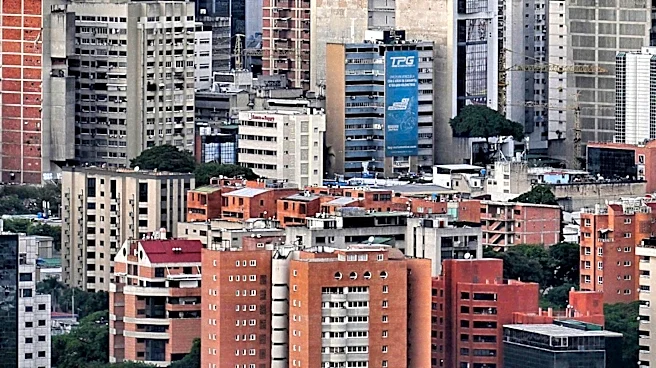
Venezuela is grappling with the aftermath of devastating earthquakes that struck a coastal area near Caracas, resulting in over 5,000 fatalities. The World Bank has estimated the cost of rebuilding infrastructure and housing at $19.6 billion. The destruction
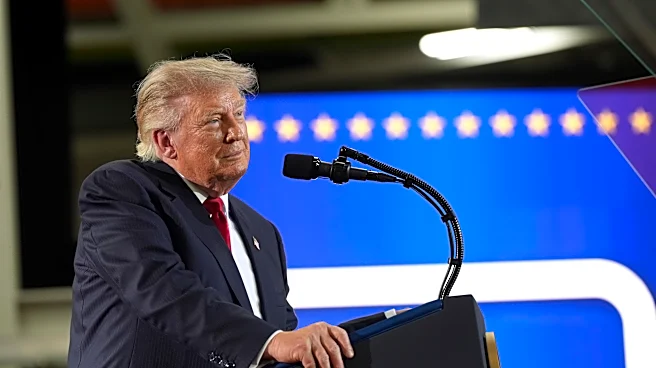
is extensive, with entire buildings flattened and others severely damaged. The U.N. Office for Project Services is involved in assessing the damage, noting the unusual patterns of destruction that resemble a war zone. The focus is now on providing temporary housing and conducting forensic engineering to determine safe rebuilding areas. The U.S. government, under President Trump, has been involved in Venezuela's political landscape, but it remains unclear if oil revenues will aid reconstruction efforts.
Why It's Important?
The financial burden of rebuilding poses a significant challenge for Venezuela, a country already facing economic difficulties. The extensive damage to residential areas highlights the urgent need for temporary housing solutions. The involvement of international organizations like the World Bank and the U.N. underscores the global attention on Venezuela's recovery efforts. The situation also raises questions about the role of international aid and the potential use of Venezuela's oil revenues for reconstruction. The U.S. government's stance and actions could influence diplomatic relations and economic policies in the region.
What's Next?
Reconstruction efforts will require substantial international support and coordination. The Venezuelan government, along with international partners, will need to prioritize housing and infrastructure rebuilding. The U.S. and other countries may play a role in facilitating access to financial resources. The situation could lead to policy discussions on disaster preparedness and building standards in earthquake-prone regions. The political dynamics between the U.S. and Venezuela may also evolve as reconstruction progresses.