
What's Happening?
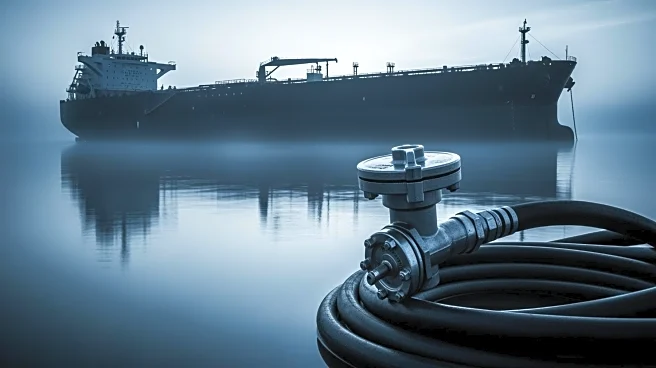
Iran has seized a foreign oil tanker near the island of Qeshm in the Gulf, alleging it was transporting 4 million liters of smuggled fuel. The Iranian authorities have not disclosed the vessel's name or nationality
but have detained 16 foreign crew members on criminal charges. The seizure reportedly took place on Wednesday, with state media releasing video footage and photographs of the tanker. This incident follows a similar event last week where Iran seized another foreign tanker in the Gulf of Oman, accused of carrying 6 million liters of smuggled diesel. Iran's actions are part of its efforts to combat fuel smuggling, which is prevalent due to the country's low fuel prices and economic conditions.
Why It's Important?
The seizure of foreign tankers by Iran highlights ongoing tensions in the Gulf region, which is a critical area for global oil transportation. Such actions can exacerbate geopolitical tensions and impact international shipping routes, potentially leading to increased insurance costs and shipping delays. For the U.S., which has strategic interests in the region, these developments could influence foreign policy and military strategy. Additionally, the incidents underscore the challenges Iran faces in controlling fuel smuggling, which affects its economy and regional relations. The detainment of foreign crew members could also lead to diplomatic disputes with the countries involved.
What's Next?
The international community, particularly countries with nationals among the detained crew, may seek diplomatic engagement with Iran to resolve the situation. There could be calls for increased maritime security in the Gulf to prevent further incidents. The U.S. and its allies might consider reinforcing their naval presence in the region to ensure the safety of commercial shipping. Iran may continue its crackdown on fuel smuggling, potentially leading to more seizures. The situation could also prompt discussions on regional cooperation to address smuggling and economic challenges.