
What's Happening?
The Department of Health and Human Services (HHS) is set to hire 12,000 new employees, reversing a significant portion of the 20,000 positions it cut in 2025. Secretary Robert Kennedy informed lawmakers
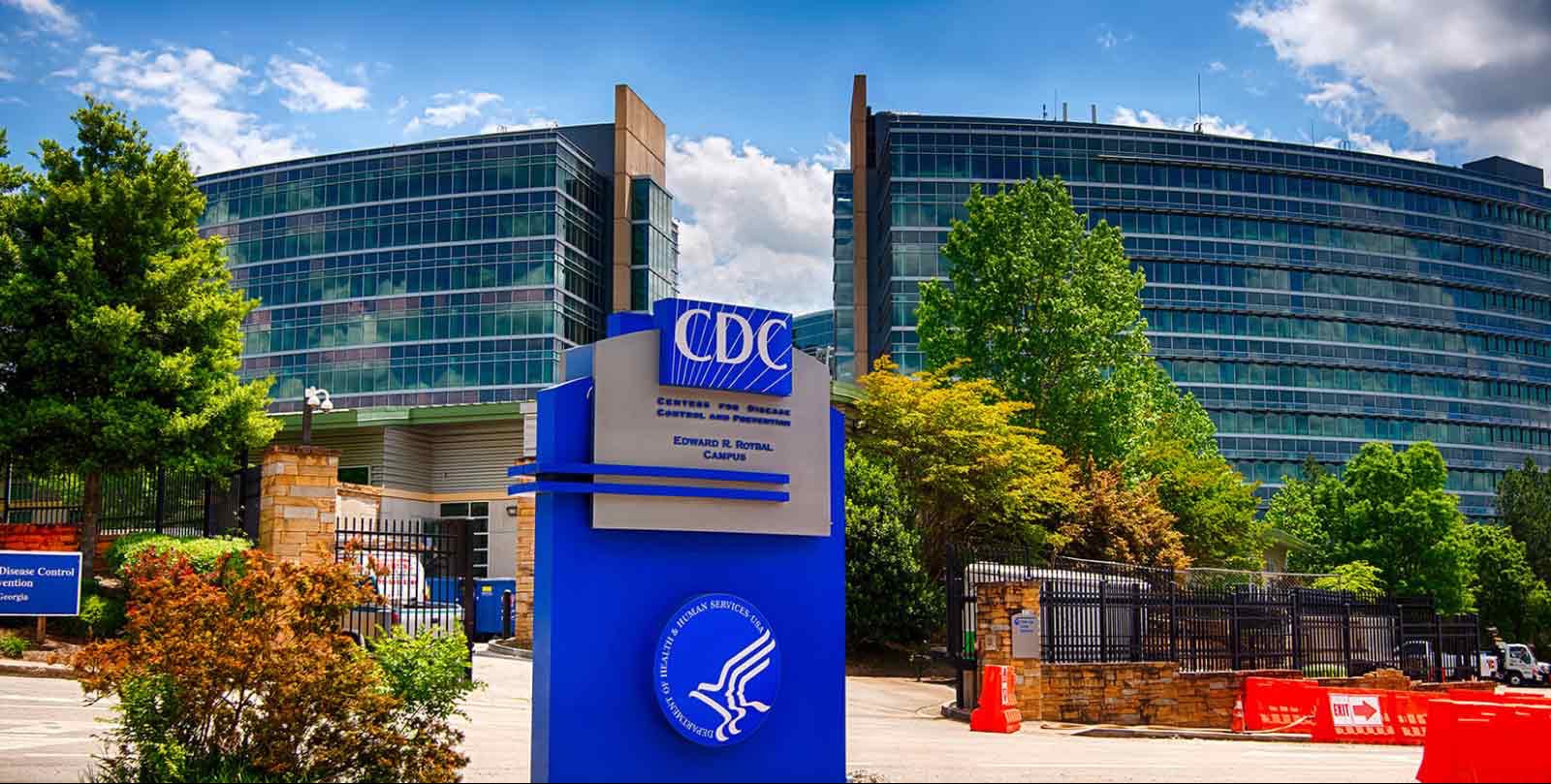
that the hiring is essential for the department to fulfill its duties effectively. Despite the previous reduction, Kennedy assured that the quality of service had not deteriorated. The cuts were initially made to address the department's growth during the Biden administration and were part of a 'rightsizing' effort. However, Kennedy emphasized that the decision to cut was mandated by the White House, not by the department itself. The new hiring will focus on key areas such as the Centers for Medicare and Medicaid Services, Health Resources and Services Administration, the Food and Drug Administration, and the Centers for Disease Control and Prevention.
Why It's Important?
The decision to rehire a substantial number of employees at HHS highlights the ongoing challenges in balancing federal budget constraints with the need to maintain essential public health services. The initial cuts were part of a broader strategy to reduce federal spending, but they raised concerns about the potential impact on healthcare delivery. The rehiring initiative suggests a recognition of the critical role HHS plays in managing public health and the necessity of adequate staffing to address chronic disease and other health challenges. This move could have significant implications for healthcare policy and the delivery of services, potentially affecting millions of Americans who rely on HHS programs.
What's Next?
As HHS moves forward with its hiring plans, the department will need to navigate legal and logistical challenges, particularly concerning the rehiring of previously laid-off employees. Legal experts have warned that filling positions with new hires could lead to successful legal challenges from those who were laid off. Additionally, the department will need to ensure that the new hires are effectively integrated into the existing workforce to enhance service delivery. The outcome of these efforts will likely influence future budgetary and staffing decisions at HHS and could set a precedent for other federal agencies facing similar challenges.