




What's Happening?
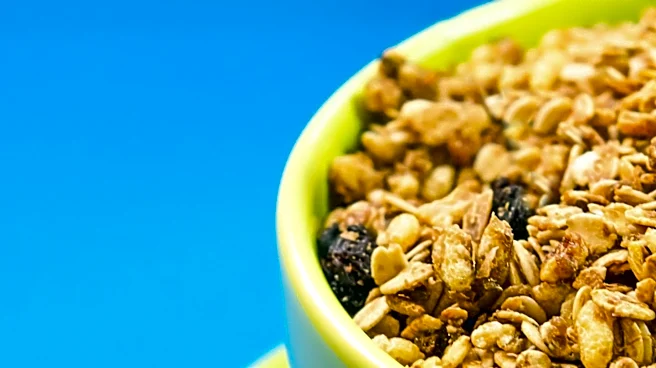
The Hampton Grocer, Inc., a New York-based company, has initiated a recall of certain 8-ounce packages of its Lacnola Lactation Granola due to concerns about potential Salmonella contamination. The U.S. Food and Drug Administration (FDA) posted the company's
announcement on August 14, indicating that the granola was sold nationwide through The Hampton Grocer’s website, Amazon, and other online retailers between October 21, 2025, and August 12, 2026. The affected products can be identified by specific lot codes and expiration dates: HGLC-102125 with an expiration date of October 21, 2026, and HGLC-021326 with an expiration date of February 13, 2027. These details are printed in black ink on the upper-left side of the back of the package. The potential contamination was discovered after a supplier informed The Hampton Grocer that one of its products, which contained organic moringa powder also used in the granola, tested positive for Salmonella. While no illnesses have been reported to date, Salmonella can cause serious and sometimes fatal infections, particularly in vulnerable populations.
Why It's Important?
This recall carries significant implications for public health, especially for the target demographic of breastfeeding mothers and their infants, who are particularly susceptible to severe complications from Salmonella infection. The widespread distribution of the product through online channels means a broad consumer base could be affected. The incident underscores the critical importance of robust quality control and supply chain management within the food industry. A single contaminated ingredient from a supplier can trigger a cascade of recalls, impacting multiple products and brands. For The Hampton Grocer, this event highlights the challenges faced by businesses, particularly smaller ones, in ensuring the safety of their products when relying on external suppliers. The financial and reputational damage from such a recall can be substantial, emphasizing the need for stringent vetting and continuous monitoring of all components in the production process. This situation also reinforces the FDA's role in safeguarding the food supply and alerting the public to potential health hazards.
What's Next?
Consumers who have purchased the recalled 8-ounce packages of Lacnola Lactation Granola are urged to discard them immediately and contact the point of purchase for a full refund. The Hampton Grocer has ceased production of the granola as it collaborates with the FDA to investigate the source and extent of the contamination. This investigation will likely involve a thorough review of the manufacturing processes, ingredient sourcing, and testing protocols. Depending on the findings, the company may need to implement enhanced safety measures, such as more frequent testing of raw materials and finished products, or seek alternative suppliers. The incident may also prompt a broader examination of quality control standards among ingredient suppliers, particularly for those providing components to products intended for sensitive populations. The company will also focus on communicating transparently with its customers to restore confidence and mitigate long-term brand damage.
Beyond the Headlines
This recall sheds light on the broader landscape of the wellness and supplement market, where products often incorporate ingredients with perceived health benefits, such as moringa powder. While these ingredients are marketed for their nutritional value, their sourcing and processing must adhere to the highest safety standards to prevent contamination. The incident highlights a systemic vulnerability in food production where a single point of failure in the supply chain can have far-reaching consequences. It also raises questions about the oversight and regulation of ingredients used in wellness products, especially when they are distributed widely online. For consumers, this serves as a stark reminder to remain vigilant about product recalls and to critically assess the safety and sourcing of all food and supplement products, particularly those consumed by vulnerable individuals. The event underscores the complex interplay between consumer trust, brand responsibility, and regulatory enforcement in maintaining public health.