









What's Happening?
Sandra Jackson-Dumont, director and CEO of the Lucas Museum of Narrative Art, is calling for significant changes within art institutions to ensure their survival and relevance. With a career spanning major institutions like the Metropolitan Museum of Art and the Studio
Museum in Harlem, Jackson-Dumont emphasizes the need for museums to become more inclusive and community-centered. She argues that museums must integrate with the world rather than remain isolated entities. Her leadership is driven by a belief in the power of creativity as a force for social progress, and she stresses that internal cultural transformation is essential for enhancing public experiences. Jackson-Dumont also addresses structural challenges in the arts, such as gender and racial inequities, and the impact of new technologies like artificial intelligence on the industry.
Why It's Important?
The push for change in museums is crucial as these institutions face challenges related to inclusivity, financial constraints, and technological advancements. Jackson-Dumont's advocacy highlights the need for museums to adapt to societal changes to remain relevant. Her focus on inclusivity and transparency can lead to more equitable work environments, potentially attracting a diverse range of talent and audiences. Additionally, her insights into the use of AI in museums underscore the importance of balancing technological efficiency with human creativity and critical thinking. This approach could set a precedent for other industries grappling with similar issues, emphasizing the role of cultural institutions in leading societal progress.
What's Next?
As museums navigate these transformative changes, they may need to implement policies that address internal cultural shifts and technological integration. Institutions might explore new operational models that support work-life balance and professional development, particularly for underrepresented groups. The adoption of AI and other technologies will require careful consideration to avoid biases and maintain the integrity of creative processes. Museums could also engage in scenario planning to anticipate long-term implications of these changes, ensuring they remain relevant and impactful in a rapidly evolving world.
Beyond the Headlines
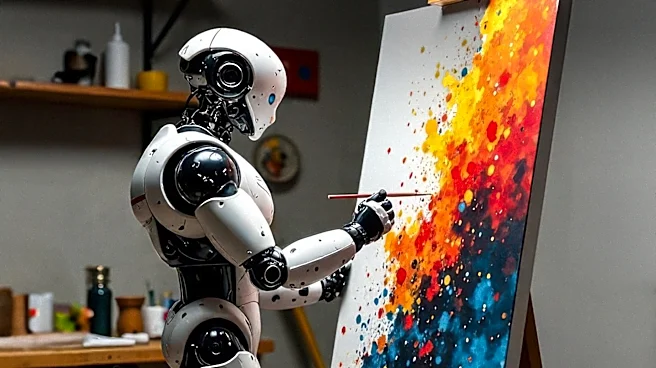
The broader implications of Jackson-Dumont's advocacy extend to the cultural sector's role in addressing societal issues. By fostering inclusivity and transparency, museums can become platforms for dialogue and social change. The integration of AI and technology in museums also raises ethical considerations about authorship and the preservation of human creativity. As these institutions evolve, they have the potential to influence public perceptions and contribute to a more equitable and informed society.