



What's Happening?
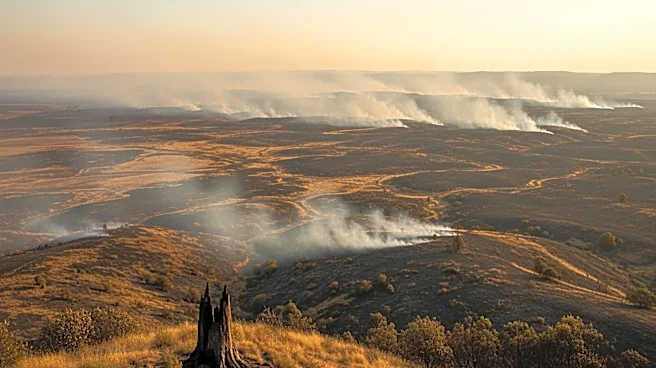
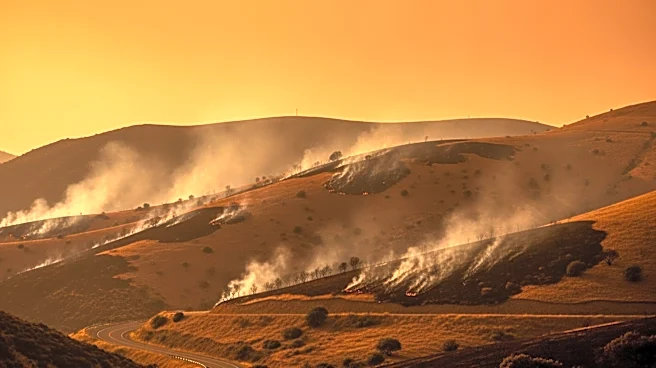
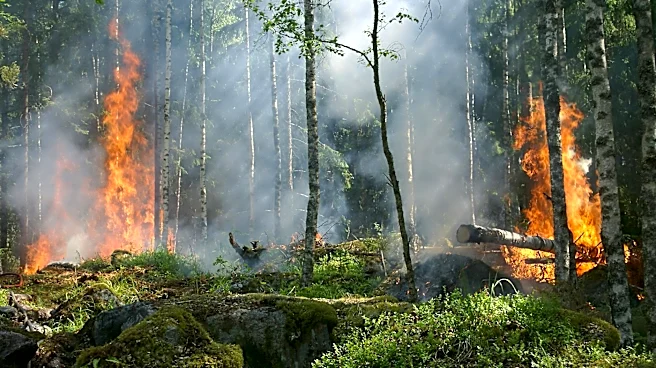
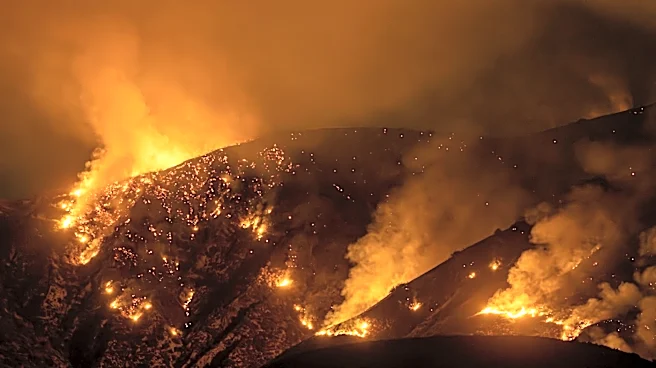
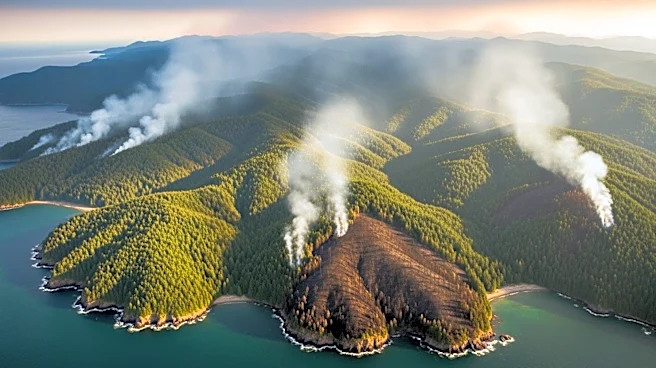
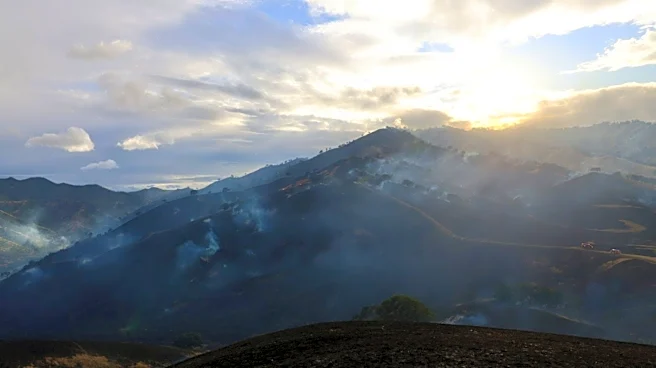
A significant wildfire has burned approximately one-third of Santa Rosa Island, part of the Channel Islands National Park, marking the largest fire in the island's recorded history. The blaze, which was sparked by an emergency flare from a shipwrecked
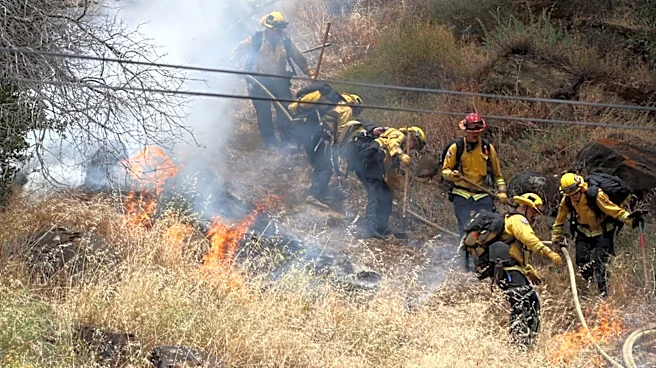
mariner, has severely impacted the island's unique ecosystem, including its rare Torrey pines and other endemic species. Firefighters have managed to contain the fire after several days of intense efforts, which included air support to maintain fire lines. The island remains closed to the public as park rangers and scientists assess the damage and plan for a long-term restoration effort.
Why It's Important?
The wildfire on Santa Rosa Island poses a significant threat to its unique ecological and cultural resources. The island is home to several plant and animal species that are not found anywhere else in the world, making its preservation critical for biodiversity. The fire's impact on the rare Torrey pines and other endemic species could have long-lasting effects on the island's ecosystem. Additionally, the island holds cultural significance for the Chumash people, and the fire has damaged historic structures. The incident highlights the vulnerability of isolated ecosystems to natural disasters and the importance of emergency preparedness and response strategies.
What's Next?
The Burned Area Emergency Response team is conducting assessments to understand the full impact of the fire on Santa Rosa Island's ecosystem and cultural sites. Their findings will guide the restoration and mitigation efforts, which are expected to take years. The island remains closed to the public, with campsite reservations potentially canceled through mid-August. Efforts will focus on restoring access and inspiring public interest in preserving the island's unique resources. The park's robust ecological baseline, including decades of monitoring and documentation, will aid in the recovery process.
Beyond the Headlines
The wildfire on Santa Rosa Island underscores the challenges of managing and protecting remote natural areas. The incident raises questions about the adequacy of current fire management practices and the need for improved strategies to prevent and respond to such events. The fire also highlights the delicate balance between preserving natural habitats and accommodating human activities, such as tourism and recreation, which are vital for public engagement and support for conservation efforts.