

What's Happening?
Economists and climate experts are raising alarms about the potential economic impacts of the current 'super El Nino' event, which is expected to last until spring 2027. According to scientists at Columbia University, a key area of the Pacific Ocean used
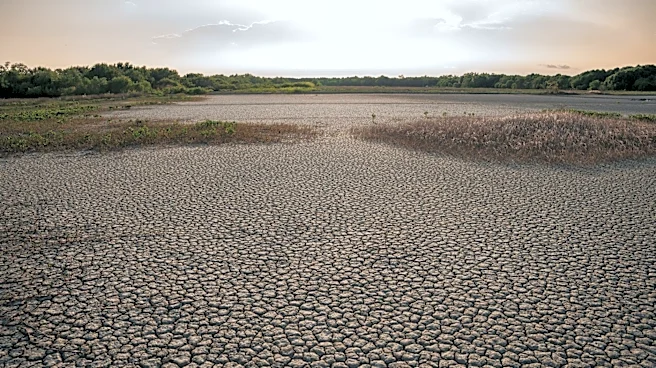
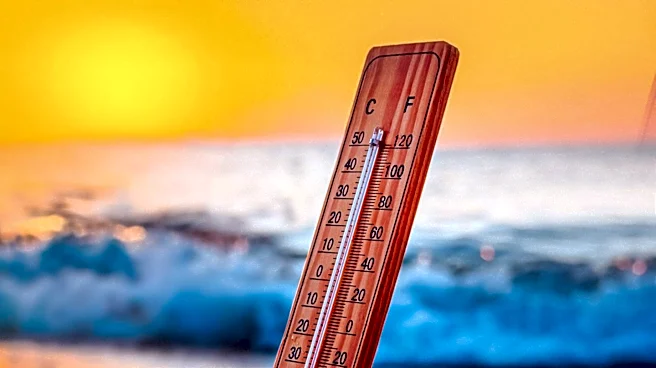
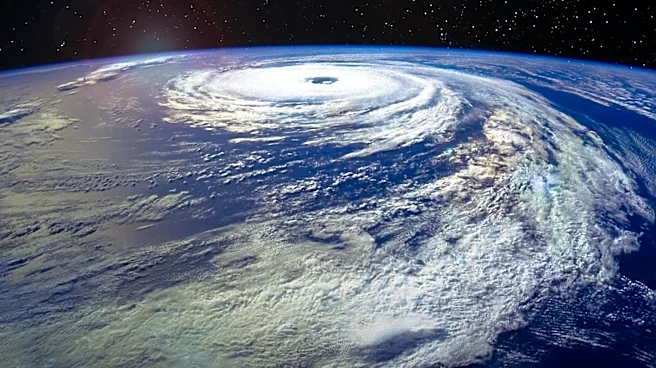
to measure El Nino's strength has reached its warmest level ever recorded. The United Nations' World Meteorological Organization (WMO) has warned that this El Nino could lead to extreme weather conditions, including heat, drought, and heavy rainfall, affecting various regions globally. In the United States, above-average rainfall is anticipated. Gernot Wagner, a climate economist at Columbia Business School, highlighted that even minor increases in temperature can have significant economic impacts, a phenomenon he refers to as 'climateflation.' This includes spikes in agricultural product prices and reduced labor productivity, as even a single day above 32°C can lower annual payroll by 0.04 percent.
Why It's Important?
The economic implications of El Nino are significant, as they could exacerbate existing inflationary pressures. The phenomenon of 'climateflation' suggests that small changes in temperature can lead to large economic disruptions, particularly in agriculture. This could result in increased food prices, affecting consumers and potentially leading to broader economic instability. The anticipation of extreme weather conditions also poses risks to infrastructure and public safety, requiring proactive measures from governments and communities. Investors and policymakers are increasingly concerned about these climate shocks, which could have long-term impacts on economic growth and stability.
What's Next?
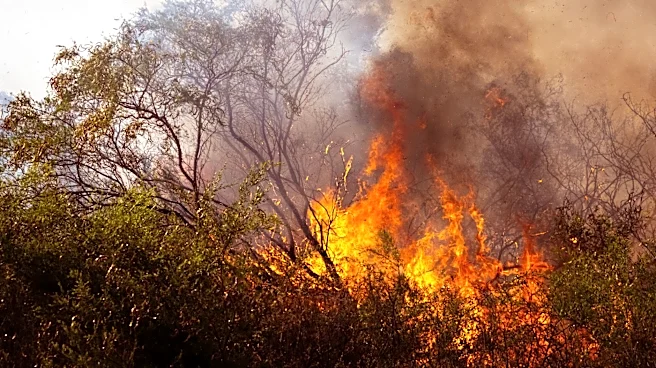
As El Nino continues to develop, governments and communities have a window of opportunity to anticipate and mitigate its impacts. This includes preparing for potential droughts, wildfires, and flooding in affected regions. Policymakers may need to implement strategies to support affected industries, particularly agriculture, and to manage inflationary pressures. The situation calls for coordinated efforts at both national and international levels to address the challenges posed by climateflation and to ensure economic resilience in the face of climate change.
Beyond the Headlines
The concept of 'climateflation' underscores the interconnectedness of climate and economic systems. It highlights the need for integrating climate considerations into economic planning and policy-making. The current El Nino event serves as a reminder of the broader impacts of climate change, emphasizing the importance of sustainable practices and investments in climate resilience. As climate events become more frequent and intense, there may be a shift towards more robust climate policies and innovations aimed at reducing vulnerability and enhancing adaptive capacities.