
What's Happening?
In the neighborhood of Jabal Mukaber in east Jerusalem, a large illegal waste dump has become a significant environmental and health hazard. The problem began in 2020 during the coronavirus pandemic when
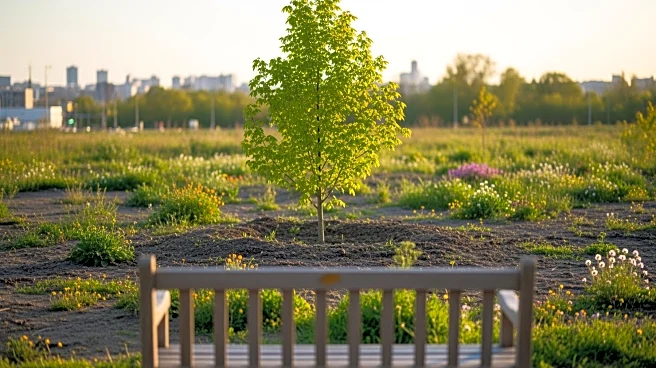
construction contractors started dumping various types of waste, including construction debris, medical waste, and asbestos, in the area. This has resulted in a mountain of garbage that emits smoke and causes pollution, severely affecting the daily lives of local residents. In response, a diverse group of Jewish and Arab activists, along with local organizations, are working to transform the site into a green community space. The initiative has gained support from the Jerusalem Municipality, which has taken steps to halt further illegal dumping and is exploring solutions to address the underlying issues.
Why It's Important?
The transformation of the waste dump into a green space is significant for several reasons. Firstly, it addresses a major environmental hazard that has been affecting the health and quality of life of local residents, who have reported increased respiratory illnesses due to the pollution. Secondly, the project represents a collaborative effort between Jewish and Arab communities, highlighting the potential for cooperation in addressing common challenges. This initiative could serve as a model for other communities facing similar issues, demonstrating the power of grassroots activism and community engagement in driving positive change. Additionally, the successful conversion of the site into a green space could enhance the local environment, providing a recreational area for residents and improving the overall aesthetics of the neighborhood.
What's Next?
The next steps involve conducting an in-depth survey of the underground conditions at the site and implementing measures to prevent further illegal dumping. The Jerusalem Municipality, along with the Eden municipal development company, is tasked with developing a comprehensive plan to transform the area. This includes fencing off the site, installing enforcement cameras, and declaring the area a dangerous structure to restrict access. Monthly meetings are being held to monitor progress, and the project is expected to require significant budget and management efforts. If successful, the initiative could lead to the creation of a new green park, benefiting the local community and setting a precedent for similar projects in other areas.
Beyond the Headlines
Beyond the immediate environmental and health benefits, the project has broader implications for social cohesion and community development in Jerusalem. By bringing together diverse groups to work towards a common goal, the initiative fosters dialogue and understanding between Jewish and Arab residents. This collaboration could pave the way for future joint efforts in addressing other social and environmental issues in the region. Moreover, the project highlights the importance of civic engagement and the role of local activism in influencing municipal policies and priorities. As the project progresses, it may inspire other communities to take similar actions, promoting sustainable urban development and environmental stewardship.