


What's Happening?
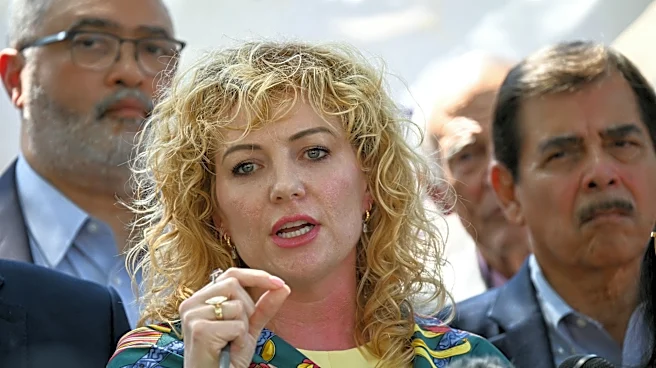
U.S. Representative Veronica Escobar, a Democrat from Texas, has alleged that federal immigration officials restricted her ability to conduct full congressional oversight at the Camp East Montana ICE tent facility, the country's largest detention center,
located in El Paso. During her visit last month, following reports of two 'disturbances' at the facility, Escobar stated she was not permitted to speak with any detained immigrants and has not received requested surveillance footage of the incidents. She described the administration's actions as an attempt to block congressional oversight, noting that such challenges have been more pronounced during the second Trump administration. The Department of Homeland Security (DHS), which oversees ICE, disputed Escobar's claims, stating that any member of Congress can request to speak with individuals in ICE custody and that they facilitate such meetings. DHS also characterized many oversight visits as 'a media act' and denied receiving an official request for data and footage.
Why It's Important?
This incident highlights a significant tension between congressional oversight responsibilities and the executive branch's control over federal facilities, particularly in the context of immigration enforcement. The ability of elected officials to scrutinize conditions within detention centers is crucial for ensuring accountability, transparency, and the protection of human rights. If lawmakers are prevented from speaking directly with detainees or accessing relevant information, it can hinder their capacity to identify and address potential abuses or mismanagement. This alleged restriction of oversight is particularly concerning given the Camp East Montana facility's history of accusations regarding abuse, mismanagement, and dire conditions, including multiple deaths and an internal ICE inspection that found deficiencies. The dispute underscores the ongoing political and ethical debates surrounding immigration detention policies and the extent to which federal agencies should be subject to external scrutiny.
What's Next?
Representative Escobar's allegations are likely to fuel further calls for increased transparency and accountability within ICE and other federal immigration agencies. She has previously sued the Trump administration over similar access restrictions, and despite a federal judge ruling in favor of lawmakers, such issues persist. It is probable that Escobar and other concerned lawmakers will continue to press for unrestricted access to detention facilities and for the release of requested documentation and footage. This incident could lead to renewed legislative efforts to codify or strengthen congressional oversight powers over federal detention centers. The ongoing debate will likely involve further exchanges between congressional members and DHS, potentially escalating to legal challenges or public hearings to address the alleged obstruction of oversight duties. The future of the Camp East Montana facility, which Escobar believes should be shut down, will also remain a point of contention.
Beyond the Headlines
The controversy surrounding congressional oversight of ICE detention centers touches upon fundamental principles of democratic governance, including checks and balances and the protection of civil liberties. When the executive branch is perceived to be obstructing legislative oversight, it can undermine the democratic process and raise concerns about unchecked power. This situation also reflects the broader political polarization surrounding immigration policy in the U.S., where debates over border security and humanitarian concerns often clash. The conditions within detention facilities, and the ability of external bodies to monitor them, are critical indicators of a society's commitment to human rights. The ongoing struggle for transparency in these facilities highlights the ethical imperative to ensure that all individuals, regardless of their immigration status, are treated with dignity and that their rights are protected, even within the confines of detention.