






What's Happening?
Monterey County supervisors have declared a local emergency in anticipation of a strong El Niño winter, approving approximately $669,000 for emergency readiness and flood-warning equipment. This decision follows presentations from the National Weather
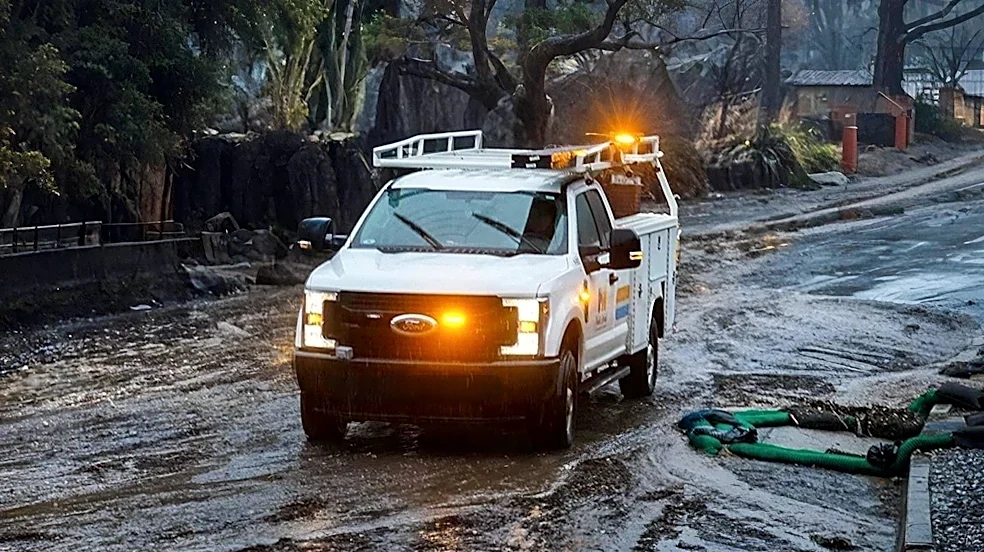
Service, which projects a 98% chance of a very strong El Niño this winter and a 75% chance of a historic event. The funding includes $297,104 to replenish the Emergency Operations Center budget, $107,000 for the Water Resources Agency’s ALERT Flood Warning System, and $265,000 for Carmel River Lagoon sandbar management. County officials also highlighted increased risks of debris flows from burn scars along the Big Sur coast, potentially impacting Highway 1. Residents are being offered virtual meetings and online resources to prepare for potential flooding, landslides, and other storm-related hazards.
Why It's Important?
This emergency declaration is crucial for Monterey County as it proactively addresses the significant threats posed by a potentially historic El Niño. The allocation of funds for emergency readiness, flood-warning systems, and sandbar management directly impacts public safety and critical infrastructure. By preparing for river and coastal flooding, high surf, strong winds, power outages, landslides, and debris flows, the county aims to mitigate damage and protect its residents. The emphasis on community education through virtual meetings and online resources empowers citizens to take necessary precautions, potentially reducing the strain on emergency services and minimizing personal losses. This preparedness also reflects lessons learned from previous damaging storms, aiming to improve response capabilities and safeguard the region's economic and social stability.
What's Next?
Monterey County will continue its proactive measures, including hosting community meetings to inform residents about local flood risks and storm preparedness. Virtual meetings featuring local agencies, emergency responders, utilities, and weather experts are scheduled for October 21. Additionally, the county has launched online resources, including a Storm Preparedness Hub and a Storm Resources Center, offering safety checklists, sandbag locations, and evacuation information. Public Works crews will continue clearing drainage systems and culverts, while the Water Resources Agency will manage reservoirs and flood-control systems. Further town halls are planned for South Monterey County in November, focusing on the Salinas River for Districts 3 and 5, to provide more localized information and preparedness strategies.
Beyond the Headlines
The declaration of a local emergency in Monterey County underscores a broader shift in how communities are approaching climate-related risks. While El Niño is a natural climate pattern, its increasing intensity and the heightened awareness of its potential impacts highlight the growing need for robust disaster preparedness and adaptation strategies. The county's comprehensive approach, combining financial investment, infrastructure upgrades, and public education, sets a precedent for other regions vulnerable to extreme weather events. This proactive stance also touches upon the ethical responsibility of local governments to protect their citizens and infrastructure from foreseeable environmental threats, fostering community resilience and potentially influencing future policy decisions regarding climate change adaptation at a wider scale.