
What's Happening?
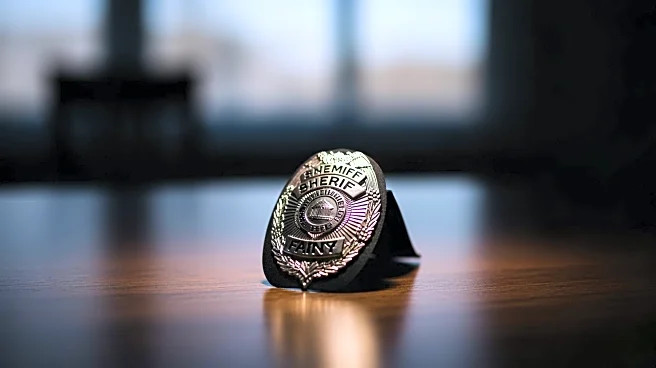
A Peoria County Sheriff's deputy was shot multiple times during a traffic stop on Saturday night and is currently hospitalized with serious injuries. The incident occurred in the 1000 block of South Western
Avenue in Peoria, Illinois. According to the Peoria County Sheriff's Office, the deputy was conducting a routine traffic stop when a passenger fled the vehicle and fired several shots, hitting the deputy twice. The suspect, identified as Larry D. Bell, 51, was apprehended approximately two hours later in an abandoned building. Bell was found with illegal drugs and a handgun, and he experienced seizures during his arrest, requiring medical attention. He faces multiple charges, including attempted murder, armed violence, and unlawful possession of a weapon by a felon. The deputy underwent surgery and is in stable condition, with a long recovery anticipated.
Why It's Important?
This incident highlights the dangers law enforcement officers face during routine operations, such as traffic stops. The shooting underscores the risks associated with policing and the potential for violence in seemingly ordinary situations. The arrest of Larry D. Bell, who faces serious charges, reflects the ongoing challenges in addressing crime and ensuring public safety. The event may prompt discussions on police safety measures and the need for enhanced training and equipment to protect officers. Additionally, the presence of illegal drugs and firearms in the suspect's possession raises concerns about drug-related crime and gun violence in the community, potentially influencing local law enforcement strategies and public policy.
What's Next?
The investigation into the shooting is ongoing, with Peoria Police continuing to gather evidence and pursue charges against Larry D. Bell. The legal proceedings will likely focus on the severity of the charges, including attempted murder and drug-related offenses. The Peoria County Sheriff's Office may review its protocols and training to prevent similar incidents in the future. Community leaders and law enforcement agencies might engage in discussions about improving officer safety and addressing the root causes of crime, such as drug trafficking and illegal firearm possession. The deputy's recovery will be closely monitored, and support from the community and fellow officers is expected.