


What's Happening?
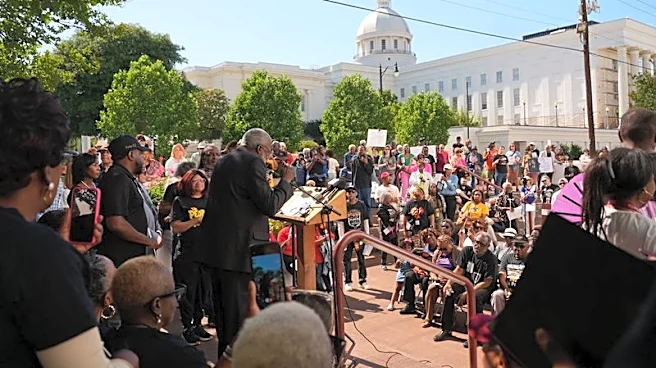
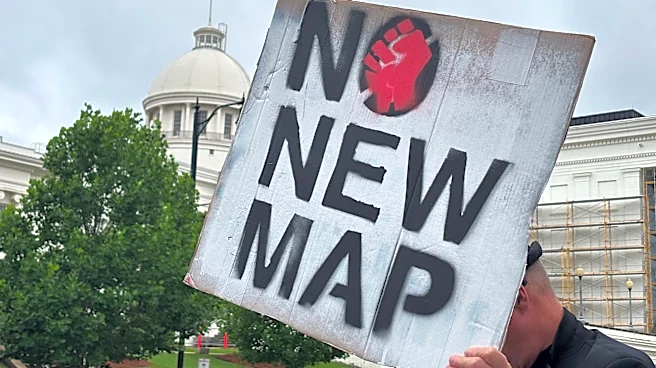
In Virginia, a coalition of nonprofits played a significant role in advocating for a new congressional map aimed at countering gerrymandering. This effort, supported by organizations like the Brennan Center for Justice and Common Cause Virginia, temporarily
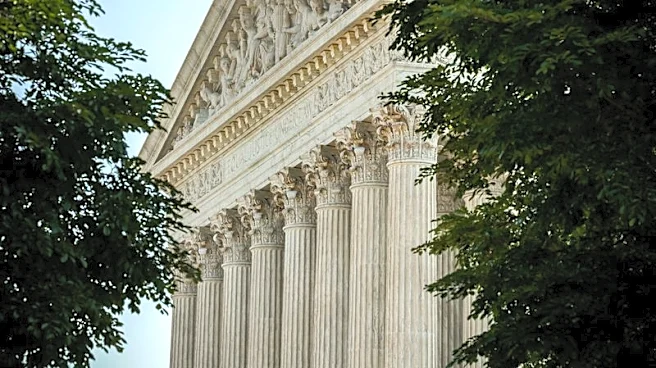
succeeded in passing a map that could have increased Democratic representation. However, the Virginia Supreme Court nullified this map, and the U.S. Supreme Court's decision in Louisiana v. Callais further weakened the ability to challenge discriminatory maps under the Voting Rights Act. This series of legal setbacks highlights the challenges faced by civic organizations in influencing redistricting processes.
Why It's Important?
The court rulings have significant implications for voter rights and representation, particularly affecting minority communities. The decisions underscore the diminishing power of the Voting Rights Act in protecting against gerrymandering, potentially leading to less equitable representation. This situation is critical for nonprofits, as it demonstrates the need for robust legal and procedural strategies alongside public advocacy. The rulings also reflect broader national trends where states are rapidly adjusting district maps to consolidate political power, often at the expense of fair representation.
What's Next?
Following the court's decision, Virginia Democrats and the state's attorney general have appealed to the U.S. Supreme Court to reinstate the new map, arguing that the Virginia Supreme Court's decision undermines federal law and the will of the voters. The outcome of this appeal could set a precedent for future redistricting efforts and the role of nonprofits in these processes. Additionally, nonprofits must continue to adapt by enhancing media literacy and coalition-building to effectively advocate for fair representation.
Beyond the Headlines
The developments in Virginia highlight the complex interplay between legal frameworks, political power, and civic engagement. The weakening of the Voting Rights Act's protections raises questions about democratic legitimacy and the ability of minority communities to elect representatives of their choice. Nonprofits face the challenge of distinguishing their mission-driven work from political activities, especially as public perception blurs these lines. The situation calls for strategic clarity and rapid response to protect democratic processes and ensure fair representation.