






What's Happening?
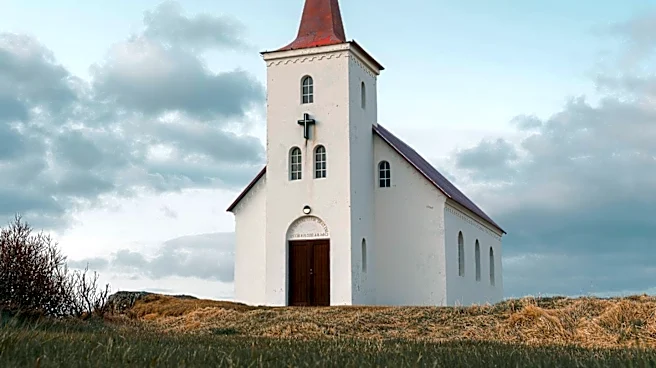
Traditional churches across the U.S. are increasingly adopting hybrid house church models to foster more relational and sustainable communities. This shift is driven by a desire for deeper relational connection, distributed leadership, and a more participatory,
Spirit-led approach to worship. Some churches are launching new house church communities alongside their traditional congregations, while others are re-centering their entire weekly rhythm around smaller gatherings in homes. For instance, River & Way in California transitioned from a large weekly service to a model where small communities meet in homes three Sundays a month, with a monthly gathering for all. This hybrid approach is seen as a lifeline for congregations facing financial strain, allowing them to adapt by potentially releasing staff, selling buildings, or reimagining overhead. The movement is described as a 'mixed ecology' where multiple forms of church can flourish side by side, moving past binary thinking about church structures.
Why It's Important?
This evolving model holds significant importance for the future of religious institutions in the U.S., particularly in addressing declining attendance and engagement in traditional settings. By embracing house church models, congregations can cultivate more intimate and supportive environments, potentially increasing member retention and fostering stronger community bonds. The financial sustainability aspect is crucial, as many traditional churches grapple with rising operational costs and dwindling resources. This hybrid approach offers a pathway for churches to remain viable by reducing overhead and focusing on people-centric growth rather than building maintenance. Furthermore, it empowers lay leaders and encourages broader participation, aligning with a growing desire for more personal and less institutionalized spiritual experiences. This shift could lead to a revitalization of faith communities, making them more resilient and relevant in a changing societal landscape.
What's Next?
The trend of hybrid church models is expected to continue expanding as more traditional churches seek innovative ways to engage their communities and ensure long-term viability. Churches not yet ready for a full structural overhaul may experiment with 'House Church Sundays' or similar temporary interruptions to their regular schedule, allowing members to experience smaller, more intimate gatherings. This low-pressure experimentation can normalize alternative models and encourage broader adoption. Leaders will likely focus on training and empowering lay members to lead these smaller groups, fostering a more distributed leadership structure. The success of these models will depend on prayerful discernment, robust leader training, and a willingness to adapt, potentially leading to a more diverse and resilient religious landscape in the U.S. with both traditional and house church expressions coexisting and complementing each other.
Beyond the Headlines
Beyond the immediate operational and financial benefits, the adoption of hybrid church models reflects a deeper cultural shift towards decentralization and personalized experiences. This movement challenges the traditional hierarchical structures of religious organizations, promoting a more egalitarian and community-driven approach to faith. It also highlights a growing desire for authenticity and deeper connection in an increasingly digital and often isolating world. The emphasis on 'people, presence, and multiplication' over large-scale production suggests a re-evaluation of what constitutes 'success' in religious contexts. This could lead to a more inclusive and adaptable form of religious practice, potentially attracting individuals who have felt disconnected from conventional church settings. The ethical implications include ensuring equitable access to resources and support for all forms of church, as well as navigating potential theological and organizational challenges that arise from diverse expressions of faith.