







What's Happening?
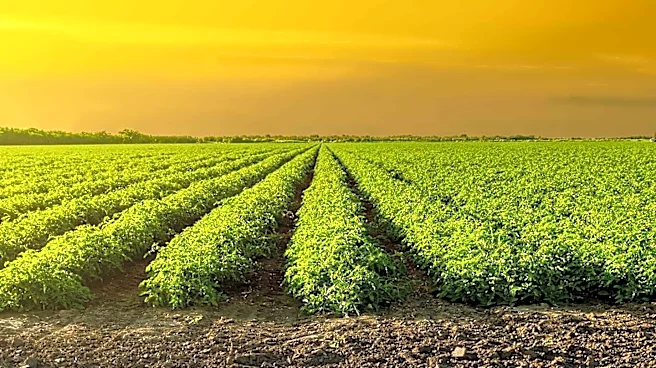
Regenerative agriculture is emerging as a significant approach focused on improving soil and plant health, which in turn leads to more nutritious food and healthier people. This method prioritizes making the soil and plants healthy from the outset, rather
than treating problems after they arise. A key advantage of regenerative practices is the increased nutrient density in food, meaning crops grown this way can contain higher levels of essential micronutrients. This directly contributes to better human health by providing more nutrient-rich food. The concept is not merely about increasing food production but about enhancing the nutritional quality of what is grown. Organizations like AEA (advancing eco agriculture) are working with farmers to implement these practices, helping them understand plant needs and grow healthier, more resilient crops that require fewer chemical inputs.
Why It's Important?
The rise of regenerative farming holds substantial importance for the U.S. food system and public health. With concerns about the nutritional value of conventionally grown produce, regenerative agriculture offers a pathway to address dietary deficiencies and improve overall population health. By focusing on soil health, it also contributes to environmental sustainability, reducing reliance on synthetic fertilizers and pesticides, which have ecological and human health implications. For the agricultural industry, this represents a shift towards more resilient and sustainable farming models, potentially offering long-term economic benefits to farmers through reduced input costs and healthier yields. Consumers stand to gain access to more nutrient-dense foods, which could lead to improved health outcomes and a reduced incidence of diet-related illnesses, thereby impacting the healthcare sector and public health initiatives.
What's Next?
The momentum behind regenerative farming suggests a future where these practices become more mainstream. We can anticipate increased investment in research and development to further understand and optimize regenerative techniques. Government policies and agricultural subsidies may begin to shift, incentivizing farmers to adopt these sustainable methods. Consumer demand for regeneratively grown products is likely to grow, leading to more widespread availability in grocery stores and farmers' markets. Educational initiatives will be crucial to inform both farmers about best practices and consumers about the benefits of these foods. The concept of 'agrihoods' – communities where agriculture is integrated into the living environment – could also expand, connecting people more directly to their food sources and fostering healthier lifestyles.
Beyond the Headlines
Beyond the immediate benefits of healthier food and soil, regenerative agriculture has deeper implications for community building and environmental stewardship. It challenges the industrial model of agriculture, advocating for a more localized and interconnected food system. This approach can foster stronger community ties by reconnecting people with the origins of their food and the farmers who grow it. Environmentally, it offers a powerful tool in the fight against climate change by improving soil carbon sequestration and biodiversity. Ethically, it promotes a more responsible relationship with the land, recognizing the long-term health of ecosystems as integral to human well-being. The movement towards regenerative farming represents a paradigm shift, moving from an extractive model to one that regenerates natural resources and builds healthier societies.