







What's Happening?
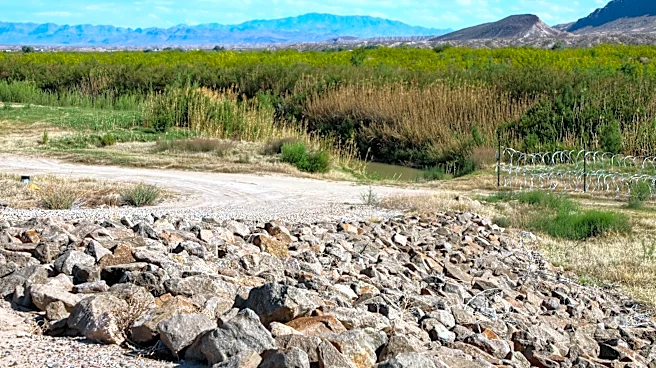
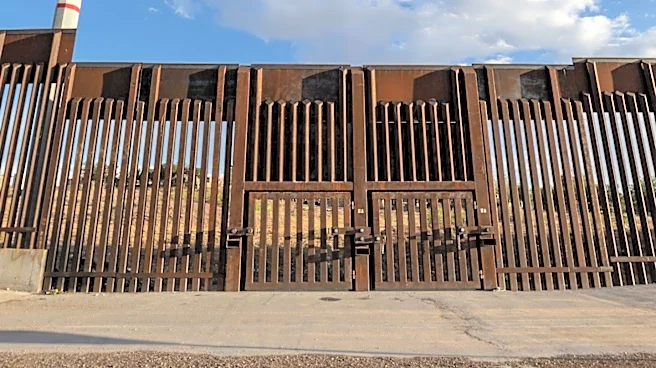
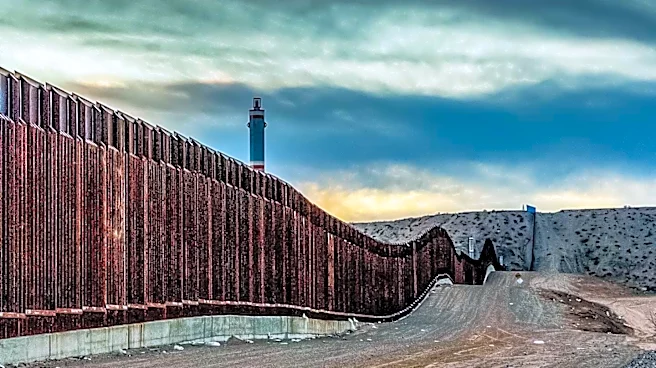
The Trump administration has responded to a lawsuit concerning its border wall project in the Big Bend region of West Texas by waiving a federal law central to the case. The lawsuit, filed by the Presidio Municipal Development District (PMDD), claims
that the construction of the border wall could lead to significant flooding, threatening local property and initiatives. The legal challenge centers on the Rivers and Harbors Act of 1899, which requires engineering approval for significant alterations to levee systems. The Department of Homeland Security (DHS) had previously waived several laws to expedite the wall's construction but initially excluded the 1899 law. In response to the lawsuit, DHS updated its waiver to include this law, prompting criticism from the plaintiffs who argue that the waiver does not address their safety concerns.
Why It's Important?
This development is significant as it highlights the ongoing legal and environmental challenges associated with the border wall construction. The waiver of the Rivers and Harbors Act raises concerns about the potential for increased flooding risks in the Presidio area, which could impact local residents, businesses, and infrastructure. The case underscores the tension between federal border security initiatives and local safety and environmental considerations. The outcome of this legal battle could set a precedent for how similar cases are handled in the future, particularly regarding the balance between national security measures and compliance with environmental and safety regulations.
What's Next?
As the lawsuit progresses, the court will need to decide whether to grant an injunction to halt construction of the border wall in the Presidio area. If granted, the injunction could delay the project and lead to additional legal and financial implications for the government. The DHS has argued against the injunction, citing potential costs and delays. The case will likely continue to draw attention from environmental and legal advocacy groups, as well as local stakeholders concerned about the potential impacts of the wall on their community.