


What's Happening?
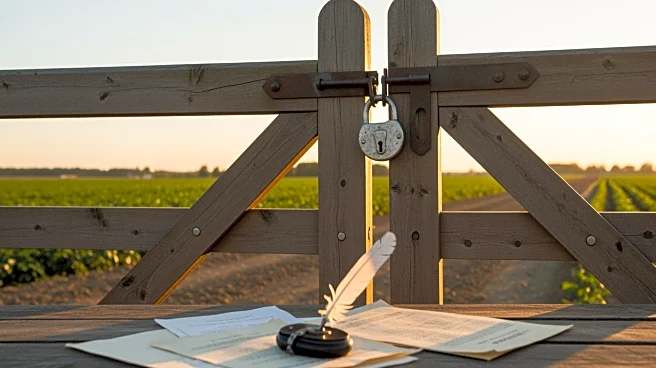
A proposed Florida law, known as the 'Florida Farm Bill,' is raising concerns among environmental advocates who argue it could financially penalize citizens, nonprofits, or journalists for criticizing agricultural companies. The bill includes a provision
that would allow agricultural companies to recover attorney fees if they are sued, potentially imposing significant financial burdens on defendants. Although the Florida Senate has removed this provision from its version of the bill, it remains in the Florida House version, HB 433. Critics argue that this could limit First Amendment protections and reduce accountability for environmental practices. The bill also seeks to expand defamation protections for agricultural products, which could lead to lawsuits against individuals or groups posting critical content online.
Why It's Important?
The implications of the Florida Farm Bill are significant, as it could deter public discourse and criticism of agricultural practices, impacting environmental advocacy efforts. By potentially imposing high legal costs on critics, the bill may discourage individuals and organizations from speaking out against harmful agricultural practices, thereby reducing transparency and accountability. This could have a chilling effect on free speech and hinder efforts to address environmental issues such as agricultural runoff and pollution. The bill's passage could set a precedent for similar legislation in other states, affecting the balance between corporate interests and public advocacy.
What's Next?
As the bill progresses through the legislative process, environmental advocates and other stakeholders are likely to continue lobbying against the controversial provision. The outcome of the bill could influence future legislative efforts related to agricultural regulation and free speech protections. If the provision remains in the final version of the bill, it may face legal challenges on constitutional grounds, particularly concerning First Amendment rights. The ongoing debate highlights the tension between protecting agricultural interests and ensuring public accountability and environmental protection.