






What's Happening?
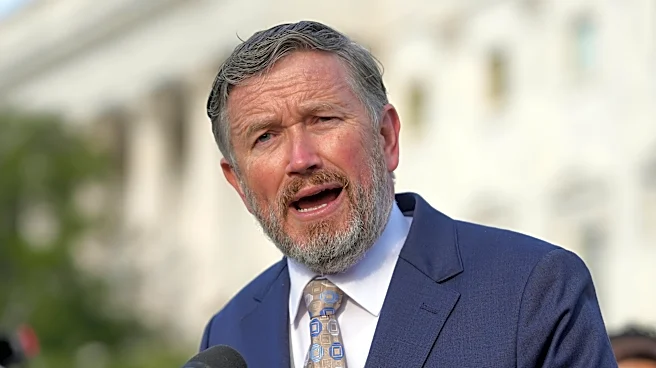
U.S. Rep. Andy Barr, a Republican from Kentucky, has publicly stated his expectation that Senator Mitch McConnell will return to the Senate in September to cast a crucial vote on the farm bill. Barr, who is running against Democratic candidate Charles
Booker in the race to replace McConnell, conveyed this sentiment to WHAS-TV, noting that Senate Majority Leader John Thune shares this expectation. Senator McConnell's prolonged absence, due to hospitalization and recovery from a fall and pneumonia, has created a roadblock for the farm bill's passage. The bill, a comprehensive package dictating agricultural, nutrition, and rural development policy, failed to pass out of the Senate Agriculture Committee before the August recess. Republicans hold a narrow majority in the Senate, and McConnell's vote or backing is considered essential for the bill's advancement. The current farm bill is set to expire at the end of September, making its passage a pressing issue for agricultural stakeholders and lawmakers.
Why It's Important?
The potential return of Senator McConnell for the farm bill vote is significant due to the bill's broad impact on the U.S. agricultural sector and rural communities. The farm bill is a critical piece of legislation that influences everything from crop insurance and conservation programs to food assistance and rural development. Its failure to pass could create uncertainty for farmers, impact food prices, and disrupt vital nutrition programs. McConnell's historical involvement and championship of the farm bill underscore the importance of his participation. His absence has highlighted the fragility of the Republican majority in the Senate, where even one missing vote can stall key legislative priorities. The bill's passage requires bipartisan support, which has been complicated by disagreements over provisions related to the Supplemental Nutrition Assistance Program (SNAP). The outcome will affect millions of Americans, from agricultural producers to low-income families relying on food assistance.
What's Next?
The immediate next step is the Senate reconvening in September, at which point the timing of Senator McConnell's return and his participation in the farm bill vote will become clearer. If McConnell returns as anticipated by Rep. Barr and others, his vote could be instrumental in moving the farm bill out of committee and towards a full Senate vote. However, even with McConnell's return, the bill still faces challenges due to the need for bipartisan compromise, particularly concerning the SNAP provisions. Agricultural advocates and lawmakers will be closely watching the legislative process as the September expiration deadline approaches. The ability of Republicans and Democrats to find common ground on the farm bill will be a key indicator of legislative cooperation in the current political climate. Failure to pass the bill could necessitate another extension or lead to significant disruptions in agricultural and nutritional programs.
Beyond the Headlines
The situation surrounding Senator McConnell's health and the farm bill highlights broader issues within the U.S. political system, including the impact of individual health on legislative processes and the challenges of governing with slim majorities. It underscores how the absence of a single influential lawmaker can create significant legislative bottlenecks, especially on complex, omnibus bills like the farm bill. This scenario also brings to light the intricate balance of power in Congress and the constant need for negotiation and compromise to advance critical legislation. Beyond the immediate policy implications, it raises questions about succession planning and the resilience of legislative bodies when key figures are temporarily or permanently absent. The farm bill's struggle also reflects the deep partisan divides on issues ranging from agricultural subsidies to social welfare programs, making bipartisan consensus increasingly difficult to achieve.