




What's Happening?
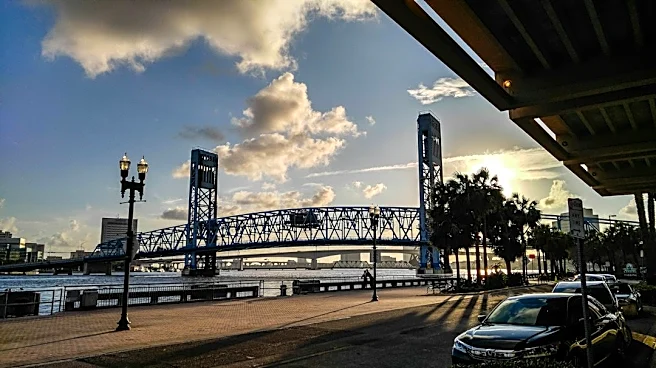
City officials in Jacksonville, Florida, have announced the completion and operational status of the LaSalle Street Drainage Improvement Project in the San Marco neighborhood. This initiative introduces a new stormwater pump station capable of moving
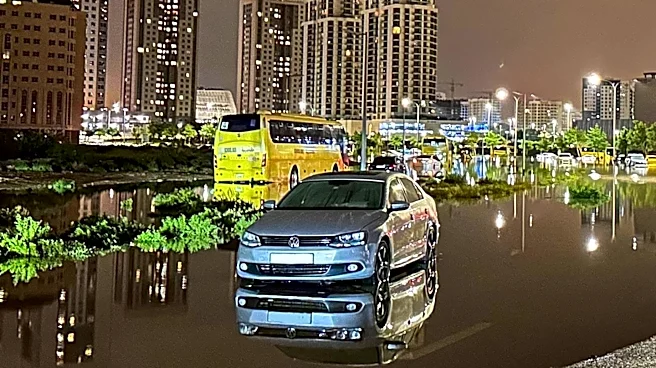
up to 60,000 gallons of water per minute and includes upgrades to nearly a mile of the surrounding stormwater collection system. The project aims to significantly reduce flooding in an area that has historically experienced repeated inundations during heavy rainfall, leading to stalled vehicles and water reaching businesses. The improvements are specifically designed to mitigate flooding during a 50-year, 24-hour rainfall event and accelerate the recession of floodwaters during severe tropical weather. The broader project, an estimated $64 million effort, received $44 million from the city and an additional $20 million through state grants. While officials caution that the upgrades may not prevent every instance of flooding, particularly during intense, short-duration downpours, the larger pumps and pipes are expected to substantially reduce the severity and duration of flooding.
Why It's Important?
The completion of the LaSalle Street Drainage Improvement Project holds significant importance for the San Marco community and the broader Jacksonville area. Chronic flooding has posed substantial economic and safety challenges for residents and businesses, leading to property damage, disruptions in daily life, and potential hazards from stalled vehicles. By enhancing the stormwater infrastructure, the project is expected to protect local businesses from water intrusion, thereby safeguarding their operations and financial stability. For residents, it means improved safety during heavy rain events and a reduction in property damage. This infrastructure investment also demonstrates a commitment to climate resilience, as it addresses the increasing frequency and intensity of severe weather events. The project's success could serve as a model for other flood-prone urban areas in the U.S., highlighting the effectiveness of proactive infrastructure development in mitigating the impacts of environmental challenges and protecting local economies.
What's Next?
Following the completion of the LaSalle Street Drainage Improvement Project, city officials will likely monitor its performance, especially during upcoming heavy rainfall events and tropical weather. Data collected on flood reduction and water dissipation rates will be crucial in evaluating the project's long-term effectiveness and informing future urban planning and infrastructure investments. The success of this project could encourage the allocation of additional funds for similar drainage improvements in other vulnerable areas within Jacksonville and potentially inspire other U.S. cities facing similar challenges to pursue comparable solutions. Local businesses and residents in San Marco will be observing the practical impact of these upgrades, and their feedback will be vital in assessing the project's real-world benefits. Continued public awareness campaigns regarding stormwater management and flood preparedness may also be implemented to complement the infrastructure improvements.
Beyond the Headlines
Beyond the immediate benefits of flood reduction, the LaSalle Street Drainage Improvement Project underscores a broader shift in urban development towards climate adaptation and resilience. The substantial investment of $64 million, combining city and state funds, reflects a growing recognition of the economic and social costs associated with inadequate infrastructure in the face of changing weather patterns. This project highlights the complex interplay between urban planning, environmental science, and public policy, demonstrating how integrated approaches can address long-standing community issues. Ethically, it raises questions about equitable resource distribution for infrastructure, ensuring that all communities, particularly those historically vulnerable to environmental hazards, receive necessary protections. Culturally, successful projects like this can foster greater community trust in local governance and encourage civic engagement in environmental stewardship, promoting a more resilient and sustainable urban future.