








What's Happening?
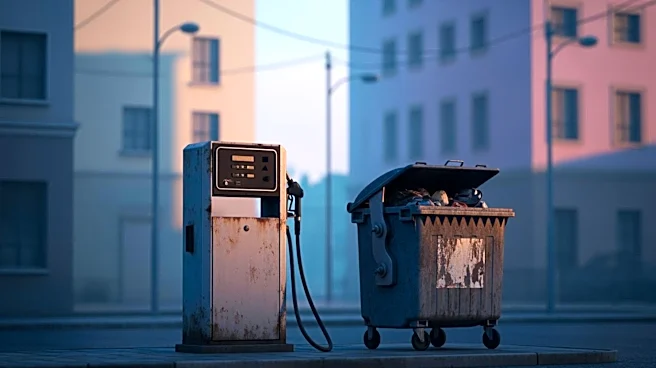
Havana is experiencing a severe garbage crisis due to fuel shortages that have stalled trash collection services. The situation has led to piles of waste accumulating on streets, creating unsanitary conditions and health risks for residents. The crisis is a result
of a U.S. energy blockade that has caused power outages and a lack of fuel for garbage trucks. In response, residents have resorted to burning waste, raising concerns about toxic smoke. The situation is expected to worsen with the onset of summer heat and hurricane season.
Why It's Important?
The garbage crisis in Havana highlights the broader implications of geopolitical tensions on local communities. The U.S. energy blockade has not only affected Cuba's energy supply but also its public health and environmental conditions. The crisis underscores the vulnerability of urban infrastructure to external political pressures and the need for sustainable waste management solutions. It also raises questions about the humanitarian impact of economic sanctions and the responsibility of international actors in addressing such crises.
What's Next?
As the situation in Havana deteriorates, local initiatives are emerging to address the waste management challenges. Community projects like El Batazo are working to clean up neighborhoods and promote recycling. However, without a resolution to the fuel shortages, these efforts may be limited in scope. The Cuban government may need to seek international assistance or negotiate solutions to alleviate the crisis. The situation could also prompt discussions on the need for more resilient urban infrastructure and sustainable waste management practices.