

What's Happening?
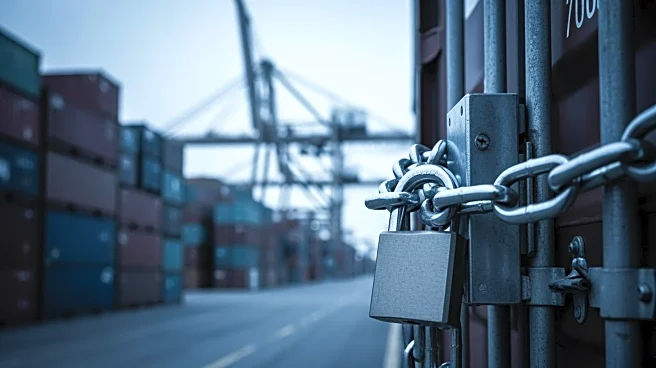
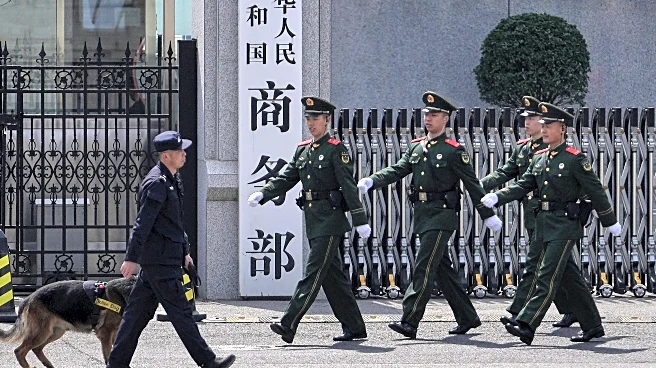
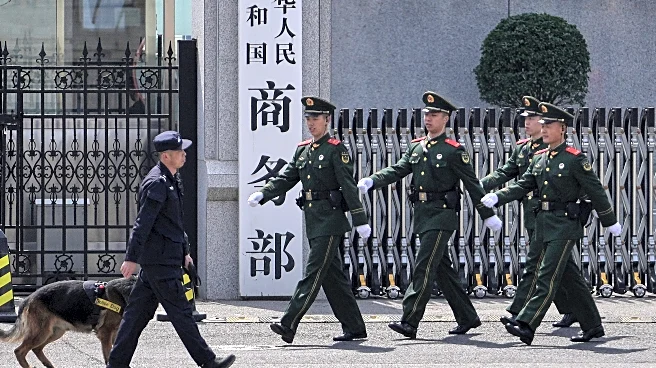
China's Ministry of Commerce has announced export bans on 20 leading Japanese companies, citing national security concerns and Japan's alleged efforts to remilitarize. This move comes amid escalating tensions between the two nations, particularly over
territorial claims and military spending. The affected companies include major industrial players such as Mitsubishi Heavy Industries Shipbuilding and divisions of Kawasaki and IHI involved in aerospace. Additionally, 20 more companies have been placed on a 'List of Concerns,' requiring risk assessments and written commitments that dual-use items will not enhance Japan's military capabilities. Japan has responded by lodging a strong protest with Beijing, labeling the restrictions as intolerable.
Why It's Important?
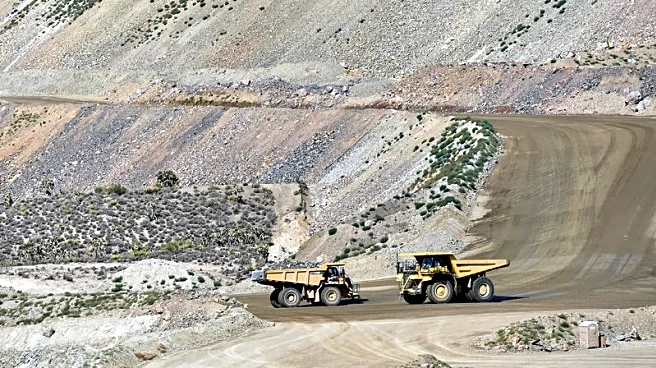
The export bans highlight the growing geopolitical tensions in East Asia, particularly between China and Japan. These restrictions could significantly impact Japan's industrial sector, especially in areas related to aerospace and defense. The move also underscores China's strategic use of trade policies to exert pressure on Japan, potentially affecting global supply chains, especially in industries reliant on rare earths and critical minerals. For the U.S., this development could influence its own trade and diplomatic strategies in the region, as it navigates its alliances and economic interests in the face of China's assertive policies.
What's Next?
Japan is expected to consider its necessary responses to China's export bans, which could include diplomatic negotiations or reciprocal trade measures. The situation may also prompt Japan to accelerate its military modernization efforts, potentially increasing its defense budget. Internationally, other countries may watch closely to see how this dispute unfolds, as it could set precedents for future trade and security policies in the region. The U.S. and its allies might also engage in discussions to address the broader implications of China's actions on regional stability.
Beyond the Headlines
The export bans could have long-term implications for the global supply chain, particularly in the technology and defense sectors. China's control over rare earths and critical minerals gives it significant leverage, which it could use to influence international policies. This situation also raises questions about the balance between national security and economic interdependence, as countries navigate complex trade relationships in a geopolitically tense environment.