





What's Happening?
Sangamon County Clerk Don Gray has affirmed the robust security measures in place for elections in Illinois, despite growing national concerns about election interference. Gray stated that his office is not worried about interference in the current midterms,
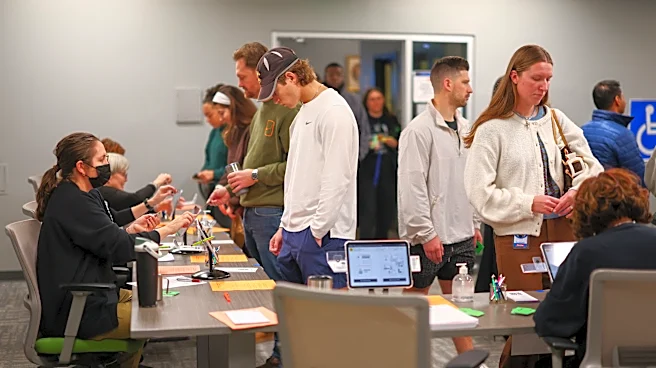
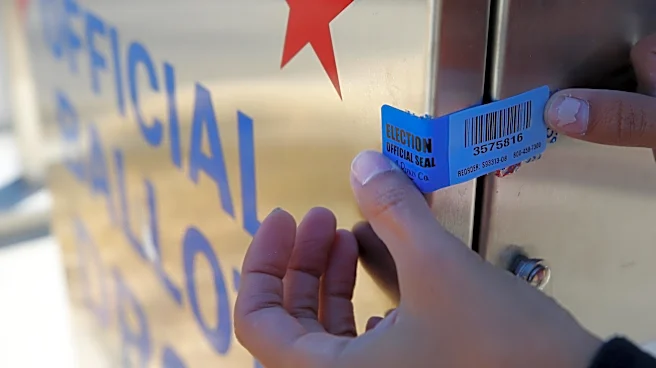
attributing this confidence to established systems and continuous collaboration with federal and state partners, including Homeland Security and the FBI. Key security practices include strict cyber hygiene for staff, ensuring tabulation equipment is properly tested and secured without internet access, and hardening reporting systems to prevent manipulation. Illinois has not introduced new voting laws for this election, operating under successful systems revised over the last decade. Gray emphasized the importance of proper ballot proofing, programming, and equipment testing, along with extensive training for election judges to ensure accurate processing and ballot marking.
Why It's Important?
Clerk Gray's assurances are crucial for maintaining public confidence in the electoral process, especially in an environment where 'election interference' has become a prevalent concern. By detailing the multi-layered security measures, from cybersecurity protocols to physical equipment safeguards and staff training, Sangamon County aims to demonstrate transparency and accountability. The emphasis on preventing foreign influence and ensuring that tabulation equipment is not connected to the internet directly addresses major anxieties about election hacking and data manipulation. This proactive communication helps to counter misinformation and skepticism, which can otherwise lead to voter disenfranchisement. The stability of Illinois's voting laws, as highlighted by Gray, also suggests a consistent and reliable framework for conducting elections, which can contribute to greater trust among the electorate.
What's Next?
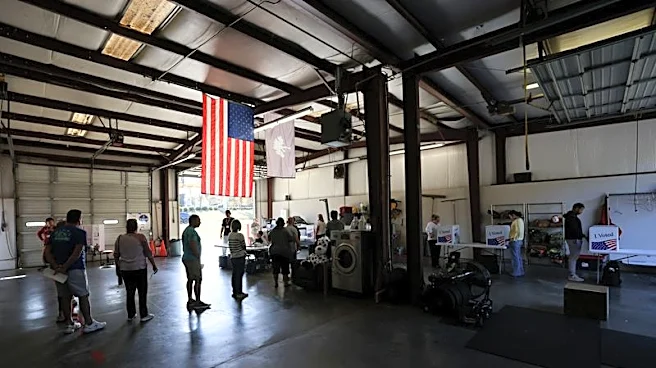
Sangamon County will continue its rigorous pre-election testing procedures, including test decks for every voting machine, and ongoing training for election judges. The public is encouraged to attend pre-election tests to observe the process firsthand. Gray also urged voters to rely on trusted sources for election information and to report any suspicious activity to the election office immediately. This ongoing engagement with the public and continuous vigilance against threats will be essential for future elections. The county's commitment to transparency and its collaborative approach with federal and state agencies will likely remain central to its strategy for ensuring election integrity.
Beyond the Headlines
Clerk Gray's comments shed light on the significant effort required by local election authorities to safeguard the democratic process against both real threats and the corrosive effects of misinformation. His call for voters to be 'cognizant of the discussion, the chatter around elections' and to seek trusted sources underscores the critical role of informed citizenship in maintaining election integrity. The 'erosion of trust on inaccurate information' is identified as a major challenge, suggesting that the battle for election security is not just technological but also informational. By inviting skeptics to become election judges, Gray offers a practical pathway for individuals to witness the process directly and build confidence, transforming potential critics into informed participants. This approach highlights the importance of community involvement and direct observation in fostering trust in democratic institutions.