






What's Happening?
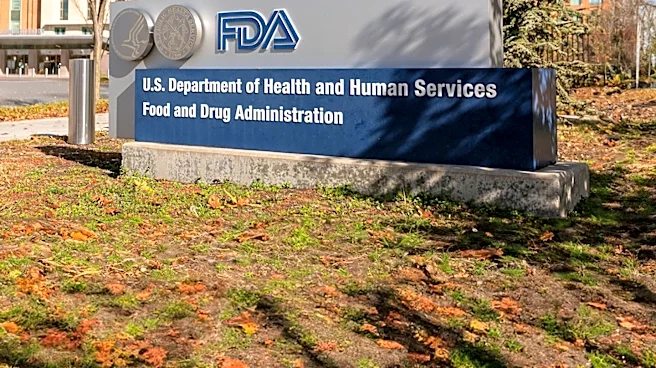
The U.S. Food and Drug Administration (FDA) has launched a new Rare Disease Framework Initiative, which is being widely recognized as a significant advancement for the rare disease community. This initiative follows years of advocacy from patients, caregivers,
and organizations like The LAM Foundation, who have consistently shared their experiences and needs. The framework aims to address critical challenges inherent in rare diseases, such as small patient populations, limited understanding of disease progression, and difficulties in measuring treatment effectiveness. The LAM Foundation has expressed strong support for this new effort, highlighting its potential to foster greater collaboration among patients, researchers, clinicians, and regulators. The organization plans to actively participate in the public comment process, contributing insights from its community of women and families affected by rare conditions. This initiative signifies a pivotal moment where patient voices are being formally integrated into the regulatory process, promising a more inclusive approach to developing solutions for rare diseases.
Why It's Important?
This FDA initiative is crucial because it acknowledges and seeks to mitigate the unique obstacles faced by the rare disease community in the United States. Historically, the development of treatments for rare diseases has been hampered by the small number of affected individuals, making clinical trials challenging and less attractive for pharmaceutical companies. The new framework could streamline regulatory pathways, encourage innovative research, and facilitate the development of more effective therapies. By creating more opportunities for dialogue and collaboration among all stakeholders, the FDA is fostering an environment where scientific advancements can be more rapidly translated into patient benefits. This could lead to improved quality of life and extended lifespans for individuals with rare diseases, many of whom currently have limited or no treatment options. The emphasis on patient input also sets a precedent for patient-centered drug development, potentially influencing future regulatory approaches across broader medical fields.
What's Next?
The immediate next step involves the public comment period for the FDA's Rare Disease Framework Initiative. Organizations like The LAM Foundation are preparing to submit their feedback, sharing their extensive knowledge and experiences to help shape the final implementation of the framework. This period will be critical for ensuring that the initiative effectively addresses the practical challenges faced by patients and researchers. Following the public comment phase, the FDA will likely refine the framework based on the input received. This could lead to the establishment of new guidelines, pilot programs, or collaborative platforms designed to accelerate rare disease research and treatment development. Stakeholders, including patient advocacy groups, pharmaceutical companies, and academic researchers, will be closely monitoring these developments and are expected to engage actively in any new programs or initiatives that emerge from this framework. The success of this initiative will depend on sustained collaboration and a commitment from all parties to prioritize the needs of the rare disease community.
Beyond the Headlines
Beyond its immediate impact on drug development, the FDA's Rare Disease Framework Initiative signals a broader shift towards recognizing the invaluable role of patient experience in medical science and regulation. This move could foster a more empathetic and holistic approach to healthcare, where the lived realities of patients are considered as critical data points alongside traditional scientific metrics. Ethically, it reinforces the principle that those most affected by diseases should have a voice in the solutions being developed. Legally, it may pave the way for new regulatory precedents that prioritize flexibility and innovation for conditions with unmet needs. Culturally, it could empower patient communities, transforming them from passive recipients of care into active partners in scientific discovery and policy-making. This initiative has the potential to not only accelerate treatments for rare diseases but also to fundamentally alter the landscape of patient engagement in healthcare, setting a new standard for collaborative medical progress.