






What's Happening?
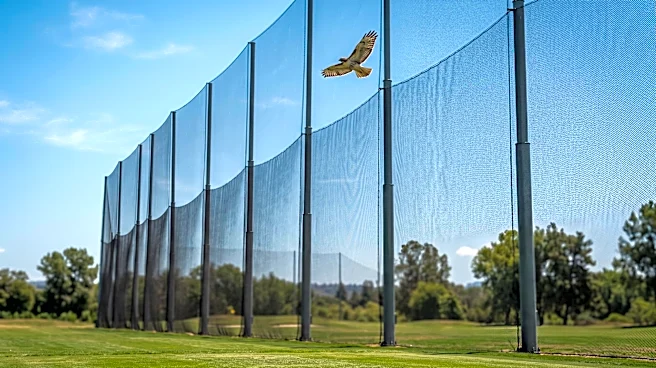
Animal rights activists are alleging that Topgolf's towering 120-foot-tall nets are causing harm and death to thousands of birds across the country. According to a letter sent by attorney Nora Marino, president of the nonprofit Legal Action Network for
Animals, to Topgolf, an estimated 4,120 birds have been affected over the past eight years across the company's 103 locations. Activists claim that birds get trapped in the nets, leading to suffering, injury, and death, which they argue constitutes animal cruelty and violates New York state law. Reports from organizations like Strong Island Animal Rescue League and Tampa Bay Raptor Rescue detail instances of hawks and vultures getting entangled. Frank Floridia, president of Strong Island Animal Rescue League, recounted calls about hawks stuck in the Holtsville, Long Island Topgolf net, noting that employees allegedly tried to free birds by blowing horns and throwing balls at them. Barbara Walker, president of Tampa Bay Raptor Rescue, described seeing videos of fire departments using hoses to dislodge birds and even a bald eagle struggling in a net. Activists are demanding that Topgolf immediately acquire equipment and use qualified wildlife rescuers to free trapped birds.
Why It's Important?
This issue highlights a significant animal welfare concern and potential legal challenge for a prominent entertainment company. The allegations of thousands of birds being harmed in Topgolf's nets raise questions about corporate responsibility, environmental impact, and the ethical treatment of animals in commercial operations. If proven, the claims of animal cruelty could lead to substantial legal and financial repercussions for Topgolf, potentially impacting its brand reputation and operational practices nationwide. The situation also brings to light the broader issue of wildlife protection in urban and commercial environments, where human infrastructure can inadvertently pose threats to local ecosystems. For consumers, particularly those concerned with animal rights, these allegations could influence their patronage of Topgolf facilities. The legal action being pursued by animal rights groups underscores a growing trend of advocacy organizations using legal avenues to enforce animal welfare standards and hold businesses accountable for their environmental footprint. The lack of a company-wide protocol for handling trapped birds, as noted by activists, suggests a systemic issue that could require comprehensive changes in Topgolf's operational policies.
What's Next?
Legal action is being pursued by the Legal Action Network for Animals, with a demand for Topgolf to implement immediate changes, including acquiring specialized equipment and utilizing qualified wildlife rescuers. Topgolf has not yet responded to requests for comment, but they will likely need to address these allegations publicly and potentially in court. The outcome of this legal challenge could set a precedent for how similar businesses manage their impact on wildlife. It is probable that animal rights groups will continue to monitor Topgolf's facilities and publicize any further incidents, maintaining pressure on the company. Depending on the legal proceedings, Topgolf may be compelled to invest in net modifications, develop standardized wildlife rescue protocols, or face fines and other penalties. This situation could also prompt other businesses with large-scale outdoor netting or similar structures to review their own environmental impact and implement preventative measures to avoid similar conflicts with wildlife and animal welfare advocates. Public awareness campaigns by activist groups are also likely to continue, aiming to garner support and pressure Topgolf into action.
Beyond the Headlines
Beyond the immediate legal and operational implications, this story touches on the complex relationship between human recreation, commercial development, and wildlife conservation. The incident at Topgolf exemplifies how seemingly innocuous structures can have unintended and severe consequences for local fauna. It raises ethical questions about the responsibility of businesses to conduct thorough environmental impact assessments and to implement mitigation strategies, even for indirect impacts. The activists' claims that it is cheaper for Topgolf to 'rip the bird out' rather than replace net sections highlights a potential conflict between economic efficiency and ethical considerations. This case could contribute to a broader discussion about 'animal cruelty' definitions in commercial contexts and whether current laws adequately protect wildlife from such indirect harms. It also underscores the power of advocacy groups in bringing corporate practices to public scrutiny and driving change through legal and public pressure, even against large corporations. The long-term shift could be towards more integrated urban planning and business operations that proactively consider and minimize their ecological footprint.