





What's Happening?
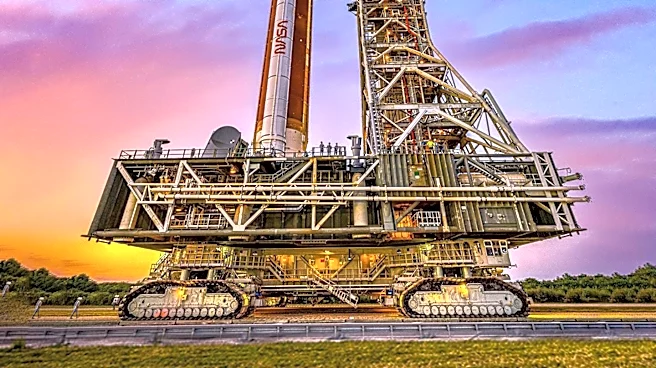
NASA is progressing with the assembly of its Artemis III rocket, as a solid fuel booster section has arrived at the Kennedy Space Center's Vehicle Assembly Building. This booster is part of the Space Launch System (SLS) that will launch the Artemis III mission,
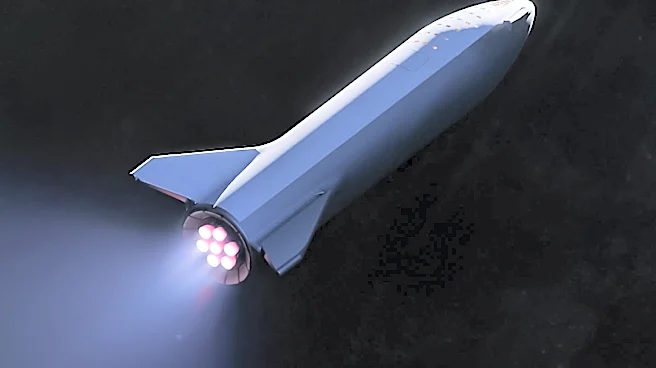
scheduled for mid-to-late 2027. The SLS rocket will carry the Orion spacecraft, which will test rendezvous and docking capabilities necessary for future lunar landings. The Artemis III mission will not land on the moon but will help develop the technologies needed for subsequent lunar missions. NASA is working with SpaceX and Blue Origin to provide the lunar landers for the Artemis program.
Why It's Important?
The Artemis III mission is a critical step in NASA's plan to return humans to the moon and establish a sustainable presence there. The successful assembly and testing of the SLS rocket will demonstrate NASA's capability to launch crewed missions beyond low Earth orbit. This mission will also test key technologies and procedures that will be used in future lunar landings, contributing to the overall success of the Artemis program. The collaboration with commercial partners like SpaceX and Blue Origin highlights the growing role of private companies in space exploration, potentially accelerating technological advancements and reducing costs.
What's Next?
NASA plans to complete a wet dress rehearsal of the Artemis III rocket by the end of the year, which will involve fueling the rocket and conducting a full launch countdown. As more components arrive at the Vehicle Assembly Building, NASA will continue the stacking process, preparing for the mission's launch in 2027. The agency will also work closely with its commercial partners to ensure the readiness of the lunar landers. The success of Artemis III will set the stage for Artemis IV, which aims to achieve the first moon landing of the program in 2028.