

What's Happening?
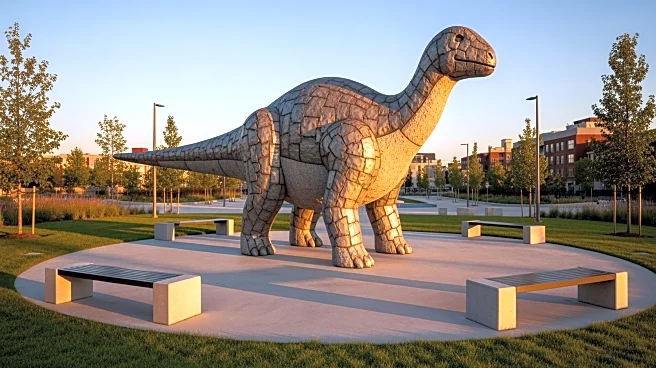
The pigeon sculpture known as 'Dinosaur' on New York City's High Line was celebrated on Saturday as it prepares to leave next month. The sculpture has been a notable feature of the High Line, attracting visitors and art enthusiasts alike. Its departure
marks the end of its display period, prompting celebrations to honor its impact on the local art scene. The sculpture's presence has contributed to the cultural vibrancy of the High Line, a popular urban park known for its integration of art and nature.
Why It's Important?
The celebration of the 'Dinosaur' sculpture underscores the significance of public art in urban environments. Public art installations like this one enhance the cultural landscape, providing accessible art experiences to a broad audience. The sculpture's departure highlights the transient nature of public art and the ongoing need for new installations to maintain cultural engagement. Such events can stimulate discussions on the role of art in public spaces and the importance of supporting artistic endeavors that enrich community life.
What's Next?
As the 'Dinosaur' sculpture prepares to leave, the High Line may seek new art installations to continue its tradition of integrating art into the urban environment. The departure of the sculpture could prompt discussions among local artists and cultural organizations about future projects and collaborations. The High Line's management may also explore opportunities to engage the community in selecting or creating new art pieces, fostering a sense of ownership and participation in the park's cultural offerings.
Beyond the Headlines
The departure of the 'Dinosaur' sculpture from the High Line reflects broader trends in public art and urban development. As cities continue to evolve, the integration of art into public spaces becomes increasingly important for cultural expression and community engagement. The celebration of the sculpture's impact highlights the role of art in fostering social connections and enhancing the aesthetic appeal of urban environments. This event may inspire other cities to invest in public art initiatives that contribute to cultural vibrancy and community well-being.