







What's Happening?
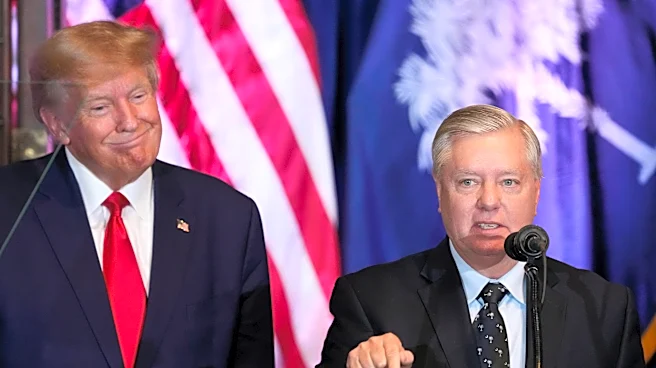
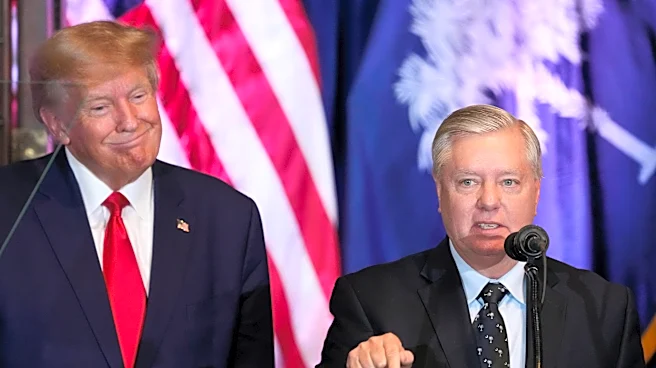
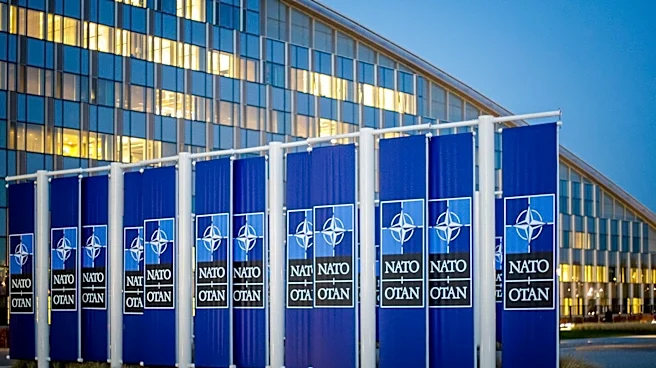
During a recent NATO summit, President Trump exhibited erratic behavior that has raised concerns among the organization's members. The summit, held in Ankara, Turkey, saw Trump arriving in a foul mood, reportedly due to diplomatic tensions with Iran and
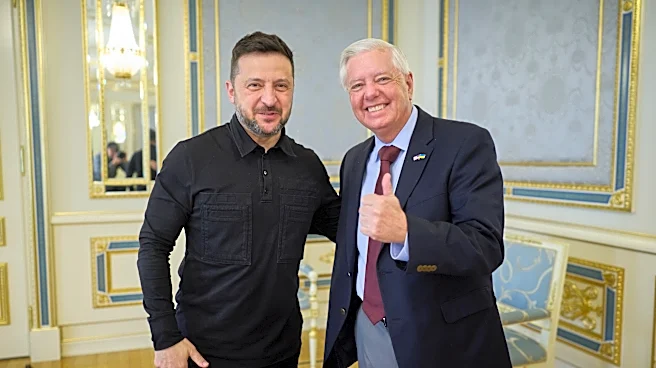
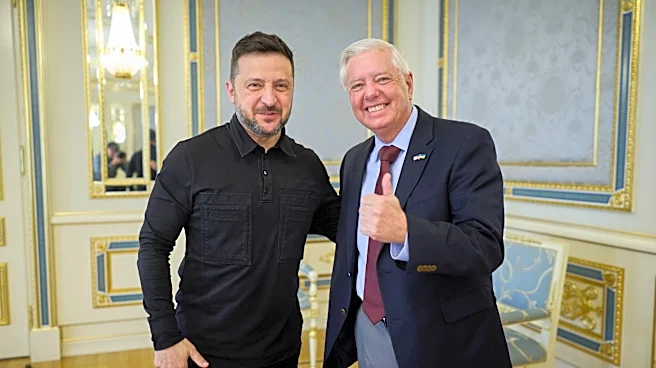
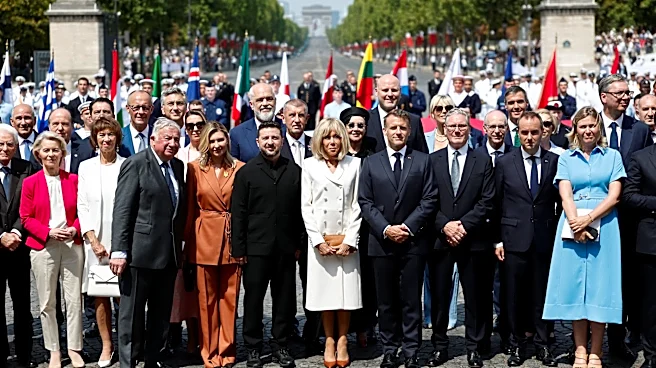
dissatisfaction with NATO's actions. Despite initial tensions, a closed-door meeting with NATO leaders seemed to transform Trump's demeanor, leading him to describe the meeting as filled with 'love' and 'unity.' This change was followed by a surprising show of respect towards Ukrainian President Volodymyr Zelenskyy, with Trump even considering allowing Ukraine to build its own Patriot missiles. However, Trump's behavior included several confusing statements, such as referring to Zelenskyy as 'President Putin' and making inaccurate claims about Greenland's geopolitical situation.
Why It's Important?
The erratic behavior of President Trump at the NATO summit is significant as it highlights potential instability in U.S. foreign policy under his leadership. Allies may question the reliability of U.S. commitments, especially given Trump's history of controversial statements and actions, such as his desire to 'own' Greenland and his inconsistent stance on military alliances. This unpredictability could strain relationships with key allies and impact global diplomatic efforts, particularly in regions like Eastern Europe and the Middle East. The situation underscores the importance of stable leadership in maintaining international alliances and addressing global security challenges.
What's Next?
Following the summit, it is likely that NATO members will closely monitor President Trump's future actions and statements to assess the stability of U.S. commitments. Allies may seek to strengthen their own defense capabilities independently, given the uncertainty surrounding U.S. support. Additionally, Trump's interactions with leaders like Zelenskyy could influence future U.S. military aid and diplomatic relations with Ukraine. The broader implications for U.S. foreign policy and international alliances will depend on how Trump's administration addresses these concerns and whether it can reassure allies of its reliability.
Beyond the Headlines
The summit's events also raise questions about the ethical and psychological dimensions of leadership at the highest levels. Trump's behavior may prompt discussions about the mental and physical demands of the presidency, especially for aging leaders. The situation highlights the need for transparency and accountability in addressing potential health issues that could affect decision-making. Furthermore, the summit illustrates the complex interplay between personal relationships and international diplomacy, as Trump's interactions with other leaders appeared to significantly influence his mood and policy decisions.