



What's Happening?
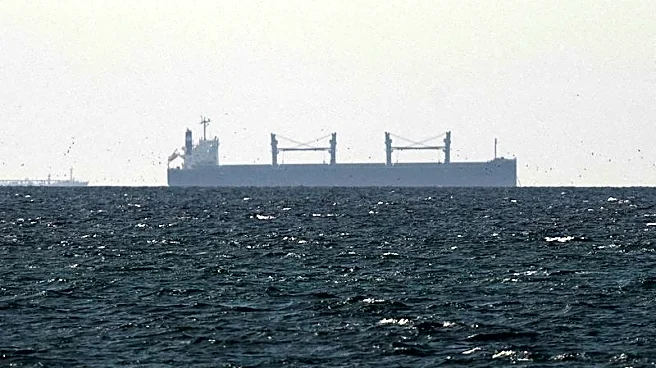
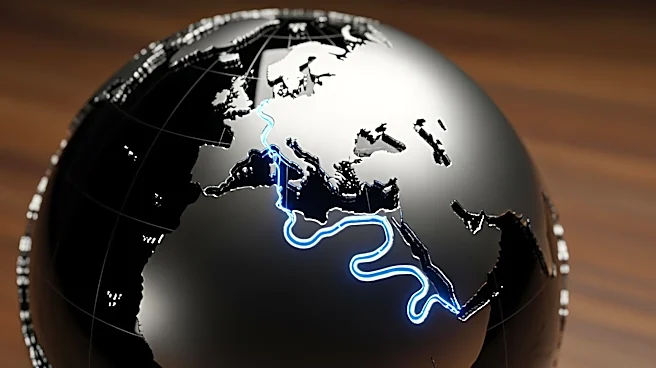
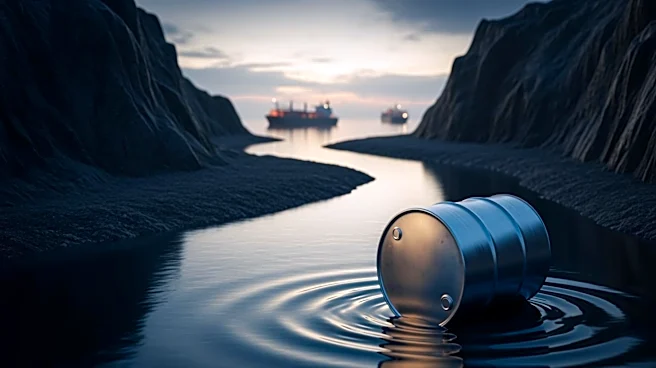
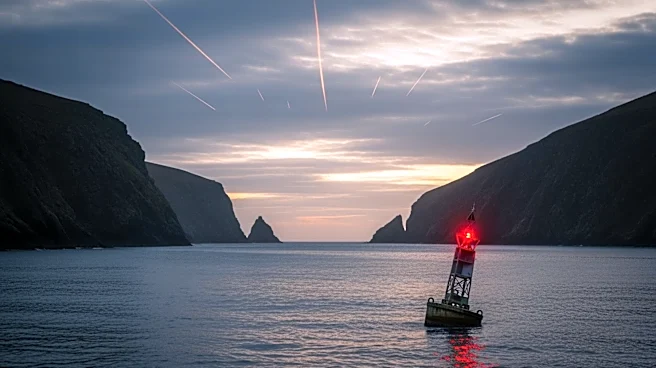
President Trump has called for the Strait of Hormuz to remain closed, a move that could significantly impact global oil supply and consequently, gas prices in the United States. The Strait of Hormuz is a critical chokepoint for the global oil trade, with
a substantial portion of the world's oil passing through it. The closure of this strait is part of the ongoing geopolitical tensions involving the U.S. and Iran. NBC News reports that this decision is part of the broader fallout from the conflict with Iran, which has already been affecting energy prices. The situation is being closely monitored by U.S. officials and energy analysts, as the potential for increased gas prices could have widespread economic implications.
Why It's Important?
The closure of the Strait of Hormuz could lead to a significant increase in gas prices in the U.S., affecting consumers and businesses alike. Higher energy costs can lead to increased transportation and production costs, which may be passed on to consumers in the form of higher prices for goods and services. This development could also impact the broader U.S. economy, potentially slowing down economic growth if energy prices remain elevated for an extended period. Additionally, the geopolitical tensions underlying this decision could further strain U.S. relations with other countries involved in the global oil market, potentially leading to broader economic and diplomatic repercussions.
What's Next?
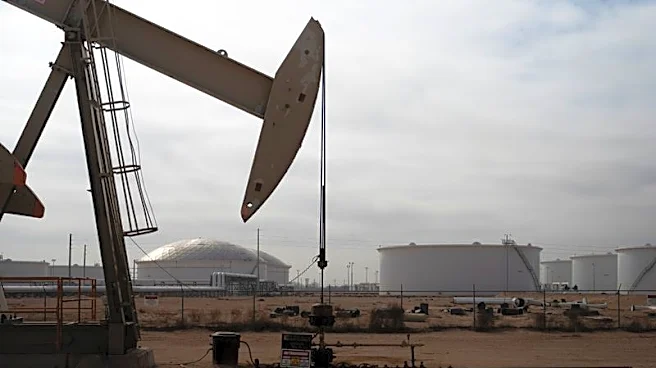
The situation remains fluid, with potential diplomatic efforts to resolve the tensions between the U.S. and Iran. Energy analysts and policymakers will be closely watching the developments to assess the impact on global oil supply and prices. There may be calls for increased domestic oil production or the release of strategic oil reserves to mitigate the impact on gas prices. Additionally, political leaders may face pressure from constituents to address the rising energy costs and seek a resolution to the geopolitical tensions driving these changes.