
What's Happening?
Israel has expressed opposition to a proposed U.S. military strike on Iran, arguing that such action would not achieve the strategic goal of regime change in Tehran. Israeli officials believe that while
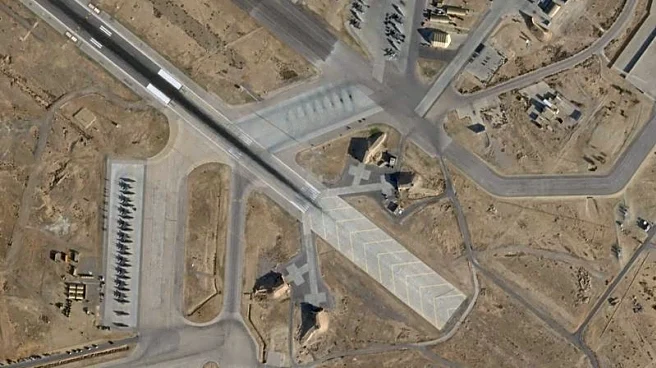
a strike could inflict damage, it would not lead to the collapse of the Iranian regime. Instead, Israel advocates for a comprehensive approach that includes identifying internal vulnerabilities within Iran's political and social systems. The U.S. is reportedly increasing its military presence in the region, deploying aircraft carriers and reinforcing air defense systems, while also considering the formation of a credible political alternative in Iran.
Why It's Important?
The decision to oppose a U.S. strike reflects Israel's strategic assessment of the situation in Iran. By focusing on regime change rather than military action alone, Israel aims to address the root causes of regional instability. This approach could lead to a more sustainable resolution to tensions with Iran, potentially reducing the threat of conflict. The U.S.'s military buildup and intelligence efforts indicate a shift in strategy, emphasizing the importance of a coordinated international response to Iran's actions.
What's Next?
Israel will continue to maintain high operational readiness, refining its defense and offensive capabilities. The integration of new F-35 fighter jets into the Israeli Air Force is part of this effort. The U.S. and Israel will likely collaborate on intelligence and strategic planning to address the Iranian threat. The international community will watch closely for any developments that could lead to a change in Iran's political landscape, with potential implications for regional and global security.