





What's Happening?
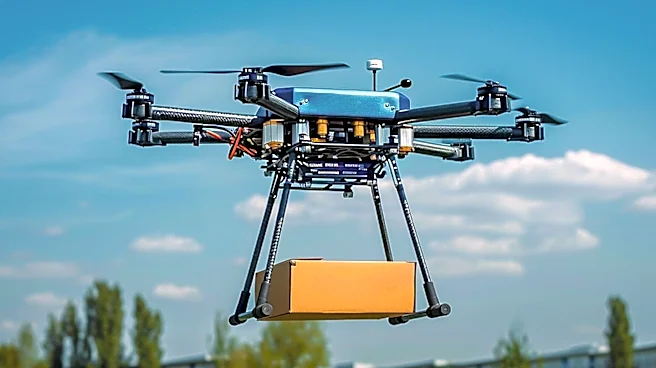
Moldova recently experienced a series of unprecedented drone incursions on November 17, with at least seven drones observed flying over its airspace. One drone, identified as a Geran-2, entered Moldovan airspace from the Odesa region, exited, and then
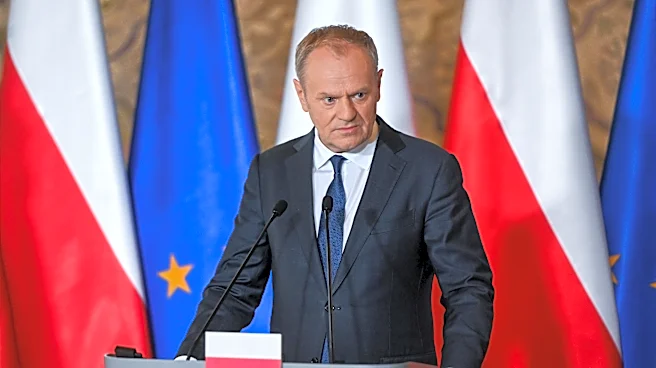
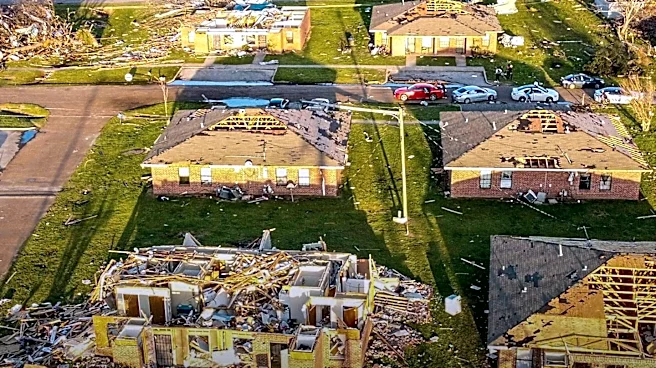
re-entered, flying over Chisinau. These incursions led to the closure of national airspace and reports of explosions and drone fragment crashes in various localities. The Moldovan Ministry of Defense confirmed impacts in several villages and noted that one aircraft disappeared near Leova. Concurrently, Moldova was struck by a 5.7 magnitude earthquake originating from Romania's Vrancea seismic zone, which was widely felt across the region. These events have heightened security concerns and prompted strong reactions from Moldovan officials, including President Sandu, who condemned Russia's actions and emphasized Moldova's lack of adequate defense capabilities against such threats.
Why It's Important?
The drone incursions into Moldovan airspace are highly significant as they represent a direct violation of national sovereignty and underscore the escalating regional security situation. These incidents, occurring amidst a larger Russian attack on Ukraine, suggest deliberate actions and highlight the vulnerability of non-aligned nations to spillover effects from ongoing conflicts. The lack of robust air defense capabilities in Moldova, as acknowledged by President Sandu, makes the country particularly susceptible to such provocations. This situation could destabilize the region further, potentially drawing international attention and calls for increased military aid or security guarantees for Moldova. The simultaneous occurrence of a significant earthquake adds another layer of complexity, diverting resources and attention while exacerbating public anxiety and uncertainty.
What's Next?
Moldovan authorities are continuing to investigate the drone incursions, with police following up on reports of crashed drone fragments. The Moldovan government is expected to intensify its diplomatic efforts to condemn these violations and seek international support for strengthening its national defense capabilities. President Sandu's statements indicate a continued commitment to condemning the war in Ukraine and advocating for sanctions against Russia, while also seeking assistance from friendly countries for defense investments. The incidents may prompt a re-evaluation of Moldova's neutrality stance and potentially lead to closer security cooperation with NATO or EU member states. The ongoing monitoring of airspace and coordination with international partners will be crucial in addressing future threats and ensuring regional stability.
Beyond the Headlines
The drone incursions over Moldova carry profound implications beyond immediate security concerns. They expose the psychological impact of conflict spillover on civilian populations, as residents of Chisinau were shaken by the drones flying overhead. This event challenges the notion of neutrality in a volatile geopolitical landscape, forcing nations like Moldova to confront the realities of modern warfare. The incidents also highlight the broader issue of hybrid warfare, where conventional military actions are combined with other tactics, including psychological operations and technological provocations. The calls for increased defense capabilities and international support reflect a growing recognition that national security in the 21st century requires robust technological defenses and strong international alliances, even for countries traditionally committed to neutrality. The earthquake, while a natural disaster, compounded the sense of vulnerability and uncertainty, underscoring the multifaceted challenges faced by the region.