


What's Happening?
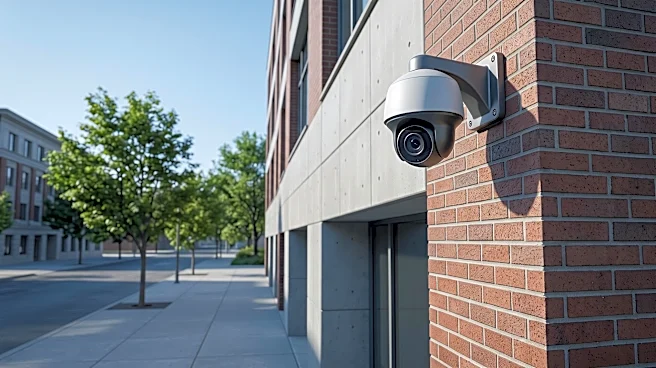
Morgantown police utilized their surveillance camera network to identify and charge Andrew Daley-Taylor, 24, with possessing a deadly weapon on the premises of educational facilities. The investigation began on August 23 when officers responded to a report
of a 9mm Palmetto Dagger firearm, loaded with eight rounds, found near the intersection of Edgewood Street and Wilson Avenue, close to Morgantown High School. Later that day, Daley-Taylor voluntarily approached the Public Safety Building, stating he had consumed too much alcohol the previous night and lost his phone and identification. He also informed police that he was prohibited from possessing a firearm due to a prior domestic incident and an active protective order. Review of surveillance footage from that morning showed Daley-Taylor with a pistol in a holster on his hip, attempting to draw it unsuccessfully. Further footage depicted him stumbling on Edgewood Street sidewalk near where the firearm was discovered. Daley-Taylor is currently held in North Central Regional Jail.
Why It's Important?
This incident highlights the critical role of surveillance technology in modern policing and its effectiveness in solving crimes, particularly those involving public safety and educational environments. The rapid identification and apprehension of an individual allegedly in illegal possession of a firearm near a school underscore the potential of such systems to enhance community security. The case also brings to light the ongoing challenges of enforcing protective orders and preventing individuals with a history of domestic incidents from accessing firearms. The presence of a loaded weapon in close proximity to a high school raises significant concerns about student safety and the broader implications for gun control measures and their enforcement. The use of surveillance footage provided crucial evidence, demonstrating how technological advancements can aid law enforcement in piecing together events and holding individuals accountable, thereby contributing to a safer public space.
What's Next?
Andrew Daley-Taylor will face legal proceedings for the charge of possessing a deadly weapon on the premises of educational facilities. The court will determine the validity of the charges based on the evidence, including the surveillance footage and Daley-Taylor's own statements. Given his current detention in North Central Regional Jail, the next steps will involve his arraignment, potential bail hearings, and subsequent trial or plea negotiations. The outcome of this case could reinforce the legal precedent for using surveillance as primary evidence in criminal prosecutions. Additionally, the incident may prompt discussions within the Morgantown community and local authorities regarding enhanced security measures around schools and the continued expansion or review of public surveillance systems. The effectiveness of protective orders in preventing firearm possession will also likely be a point of consideration.
Beyond the Headlines
The case of Andrew Daley-Taylor extends beyond a simple criminal charge, touching upon the complex interplay of public safety, individual rights, and technological surveillance. The reliance on surveillance cameras to piece together the events leading to the discovery of the firearm raises questions about privacy in public spaces versus the imperative for security. While the cameras were instrumental in this resolution, their pervasive use often sparks debate regarding civil liberties and the potential for misuse. Furthermore, the incident underscores the societal challenge of preventing individuals with protective orders against them from possessing firearms, highlighting potential gaps in enforcement or the need for more robust mechanisms to ensure compliance. The proximity of the incident to a high school also brings into focus the broader issue of gun violence near educational institutions and the psychological impact such events can have on communities, even when no direct harm occurs. This situation serves as a microcosm of the larger national conversation surrounding gun control, surveillance ethics, and community safety.