








What's Happening?
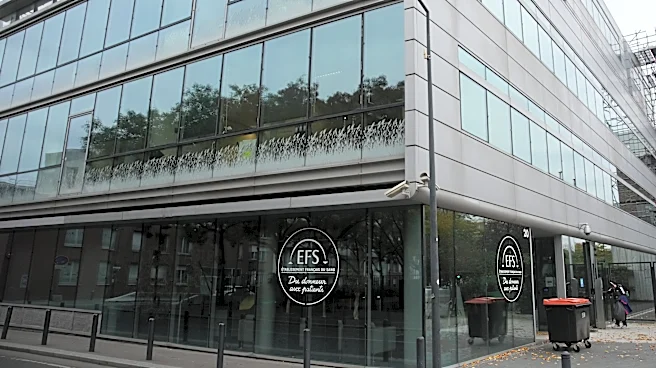
Health ISAC, the information sharing and analysis center for the healthcare industry, has issued a security bulletin warning its members about a surge in cyberattacks targeting refrigeration controllers. This alert follows an incident where a major French
blood bank, the French Blood Establishment, was targeted, resulting in dangerously high temperature settings in its cold storage rooms. The attacks manipulate operational technology (OT) systems, which control physical processes like cooling. While the French blood bank detected the activity in time to save blood samples, the incident highlights the vulnerability of these systems in healthcare, where temperature-controlled environments are crucial for life-saving materials like blood and vaccines. The Cybersecurity and Infrastructure Security Agency (CISA), the FBI, the Department of Health and Human Services (HHS), and the U.S. Department of Agriculture (USDA) have also published a fact sheet on threats to industrial refrigeration and cold chain monitoring systems, identifying them as critical to multiple sectors.
Why It's Important?
These cyberattacks pose a significant threat to patient safety and critical infrastructure in the U.S. healthcare sector. The manipulation of refrigeration units holding donor blood, plasma, or critical therapies directly endangers human life by compromising the viability of these essential resources. Beyond healthcare, industrial refrigeration and cold-chain monitoring systems are vital for food and agriculture, chemical production, and transportation, making them attractive targets for malicious actors. The FBI Cyber Branch Operations director, Brett Leatherman, noted that bad actors are targeting these systems globally, putting inventory and equipment at risk across critical infrastructure sectors. The incident underscores a broader vulnerability in operational technology, which, if compromised, can lead to spoiled products, equipment damage, and major business disruptions, impacting supply chains and public health.
What's Next?
The healthcare industry and other critical sectors are urged to implement enhanced cybersecurity measures to protect their operational technology. Health ISAC recommends eliminating public internet exposure for refrigeration controllers, enforcing strict network segmentation to isolate these systems from enterprise networks, and adding safeguards like hard-wired mechanical cutoffs and independent thermal alarms. Additionally, training staff on manual control of machines during emergencies and maintaining offline backups are crucial steps. Cybersecurity experts also highlight the challenge of patching aging OT systems, as it often requires downtime and some older models cannot be updated. The ongoing investigation into the perpetrators, with Iran and pro-Russian hacking groups being considered, suggests a continued threat landscape that requires vigilance and intelligence sharing across borders and sectors to harden critical infrastructure.
Beyond the Headlines
The increasing sophistication of cyberattacks, potentially aided by artificial intelligence, presents a new frontier in digital threats. Hackers are leveraging AI to identify vulnerabilities faster and understand complex machinery, potentially enabling them to disrupt operations without needing in-depth knowledge of specific languages or industries. This development raises ethical concerns about the misuse of AI and the need for robust AI ethics frameworks. Furthermore, the reliance on vendor contracts that mandate remote access to critical systems like industrial chillers creates a systemic vulnerability, as basic credential abuse can compromise national food and medical supplies. This highlights the need for re-evaluating contractual agreements and implementing stronger authentication and access control mechanisms to protect essential services from cyber threats.