







What's Happening?
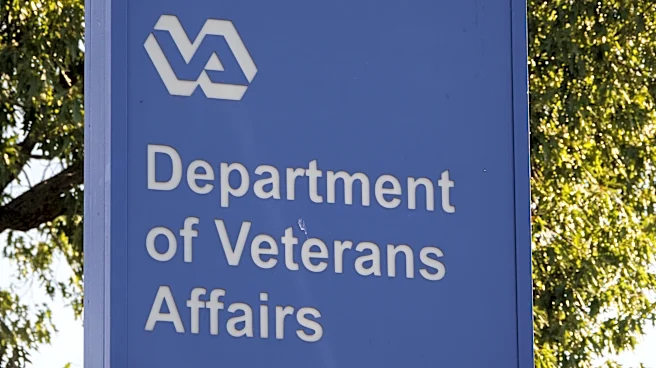
The U.S. Department of Veterans Affairs (VA) has highlighted the historical journey and current provisions for women veterans' healthcare. Historically, women who served in the military, such as Civil War nurses, were often denied federal care and benefits,
being classified as contract workers rather than formal military members. It wasn't until 1892 that Congress granted pensions to Union nurses. Even after women's roles in the military became more formalized with the establishment of the Army Nurse Corps in 1901 and their significant contributions in World War I, access to adequate federal healthcare remained a challenge. Facilities were not prepared to admit women, leading advocacy groups like the Women’s Overseas Service League and the American Legion to push for equitable treatment. A turning point occurred on September 14, 1923, when the Board of Managers of the National Homes for Disabled Volunteer Soldiers voted to admit women veterans, designating separate facilities for their care. Legislation in 1924 further expanded access, leading to thousands of women veterans receiving care in federal facilities by the end of the decade. Today, the VA provides comprehensive care for women veterans, including primary services, mental health treatment, maternity care, and specialized programs tailored to their specific needs.
Why It's Important?
This historical account from the VA underscores the long-standing struggle for equitable healthcare access for women veterans in the U.S. It highlights how systemic biases and lack of recognition for women's military service historically led to significant disparities in benefits and care. The eventual legislative changes and advocacy efforts that led to the inclusion of women veterans in federal healthcare systems represent a crucial advancement in recognizing their contributions and ensuring their well-being. The current comprehensive care offered by the VA for women veterans, encompassing primary services, mental health, and maternity care, is vital for addressing their unique health needs and ensuring they receive the support they earned through their service. This evolution reflects a broader societal shift towards acknowledging and valuing the diverse roles and sacrifices of all service members, regardless of gender, impacting public policy and the allocation of resources within the federal healthcare system.
What's Next?
The VA's continued emphasis on comprehensive care for women veterans suggests ongoing efforts to refine and expand these services. Future initiatives may focus on further tailoring programs to address emerging health concerns specific to women veterans, enhancing accessibility to specialized care, and continuing to raise awareness about available resources. The VA's commitment to providing services like the Veterans Crisis Line (available 24/7 via call, text, or chat) indicates a sustained focus on mental health support and crisis intervention for all veterans, including women. Advocacy groups and legislative bodies will likely continue to monitor the implementation and effectiveness of these programs, ensuring that the VA remains responsive to the evolving needs of women veterans and that the progress made in achieving equitable care is maintained and built upon.
Beyond the Headlines
The journey of women veterans to secure equitable healthcare reflects deeper societal and cultural shifts regarding gender roles in the military and public recognition of women's contributions. The initial exclusion and subsequent fight for inclusion highlight the ethical imperative of ensuring that all who serve the nation receive equal treatment and benefits. This historical context also sheds light on the ongoing challenges of addressing the unique needs of diverse veteran populations, moving beyond a one-size-fits-all approach to healthcare. The VA's current comprehensive care model for women veterans sets a precedent for how federal agencies can adapt to better serve specific demographic groups within their purview, influencing future policy decisions and resource allocation for other underserved populations within the veteran community and beyond.