









What's Happening?
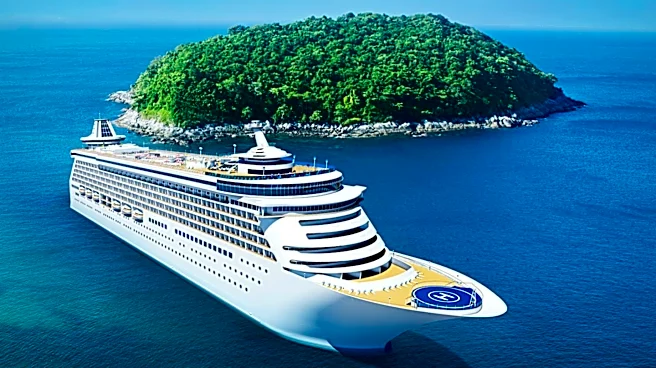
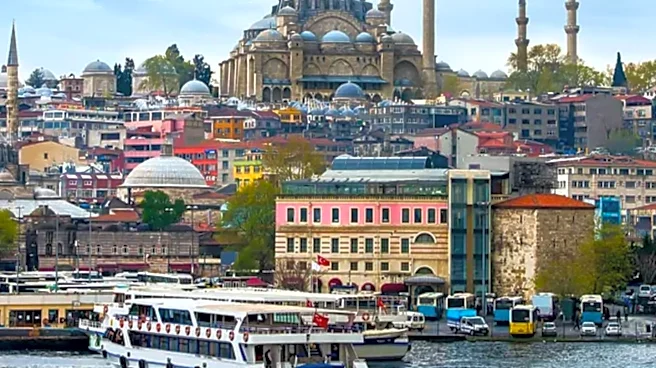
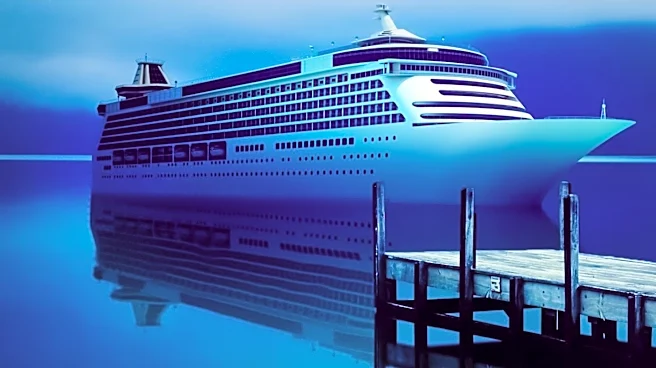
An American cruise ship, the Scarlet Lady, operated by LGBTQ travel company Atlantis Events, was recently denied entry into Egyptian and Turkish waters. The ship, carrying over 1,000 passengers, was on a voyage from Athens to Venice. The denial came despite
having prior approval, with Egyptian authorities blocking entry at the last minute, following a similar refusal by Turkey. Rich Campbell, CEO of Atlantis Events, expressed surprise and disappointment at the decision, noting that a similar itinerary had been completed without issues the previous year. The incident has sparked discussions about the treatment of LGBTQ communities in these countries, where human rights groups have reported increasing discrimination and legal challenges.
Why It's Important?
The blocking of the Scarlet Lady cruise ship underscores broader concerns about the rollback of LGBTQ rights in certain regions. The actions by Egypt and Turkey reflect a growing trend of conservative policies affecting LGBTQ communities globally. This incident not only impacts the passengers but also local economies that rely on tourism, as cancellations affect local businesses such as tour operators and restaurants. The situation highlights the ongoing challenges faced by LGBTQ travelers and the need for increased awareness and advocacy for their rights. It also raises questions about how travel companies can navigate these geopolitical challenges while supporting their communities.
What's Next?
In response to these events, there may be increased advocacy and pressure on international bodies to address the treatment of LGBTQ individuals in countries like Egypt and Turkey. Travel companies might reconsider their itineraries and partnerships in regions with restrictive policies. Additionally, the LGBTQ community may push for more inclusive travel options and use their economic influence to support destinations that uphold their rights. The incident could also lead to diplomatic discussions about human rights and the treatment of minority communities in international travel contexts.
Beyond the Headlines
The refusal of entry to the Scarlet Lady cruise ship highlights deeper issues of cultural and legal discrimination against LGBTQ individuals in certain countries. It raises ethical questions about the responsibilities of travel companies in choosing destinations and the potential for cultural exchange to foster understanding and acceptance. The incident also reflects a broader global trend of increasing conservatism and the challenges faced by minority communities in asserting their rights. This situation may prompt a reevaluation of how travel can be used as a tool for advocacy and change.