









What's Happening?
A 31-year-old woman was rescued by the U.S. Forest Service after falling approximately 1,500 feet down Mt. Shasta in Northern California. The incident occurred as she was climbing with two other novice climbers on a steep, high-altitude route. Despite
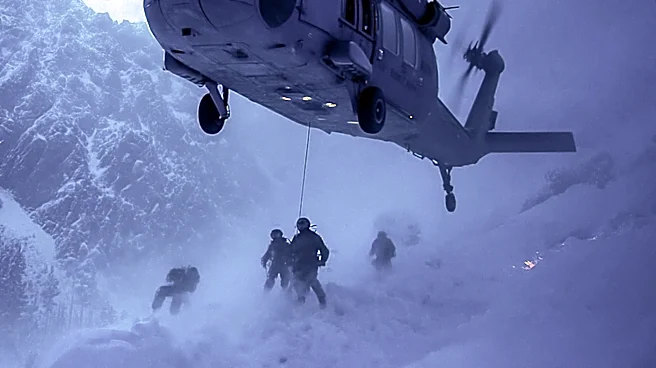
the significant fall, the woman was found alert and in good spirits, suffering from a suspected fractured right ankle and other injuries. Due to cloud cover, a helicopter could not be used initially, so rangers reached her on foot and lowered her to Lake Helen. Later, a California Highway Patrol helicopter transported her to Mercy Medical Center Mt. Shasta. The U.S. Forest Service emphasized the dangers of Mt. Shasta, noting it is a high-altitude mountaineering environment with rapidly changing weather and hazardous conditions.
Why It's Important?
This incident highlights the inherent risks associated with high-altitude mountaineering, even for experienced climbers. Mt. Shasta, being the second-highest peak in the Cascade Range, presents challenges such as steep snow and ice, rockfall, and unpredictable weather. The rescue operation underscores the importance of preparedness and caution in such environments. It also demonstrates the critical role of rescue services in ensuring climber safety. The event serves as a reminder of the potential dangers in outdoor recreational activities, which can have significant implications for public safety policies and emergency response strategies.
What's Next?
Following this incident, there may be increased scrutiny on the safety measures and guidelines provided to climbers on Mt. Shasta. Authorities might consider implementing stricter regulations or offering more comprehensive safety briefings to climbers. Additionally, this event could prompt discussions on improving rescue operations and resources in remote and high-altitude areas. The U.S. Forest Service and other agencies may also use this incident to educate the public about the risks of high-altitude climbing and the importance of proper preparation and equipment.