






What's Happening?
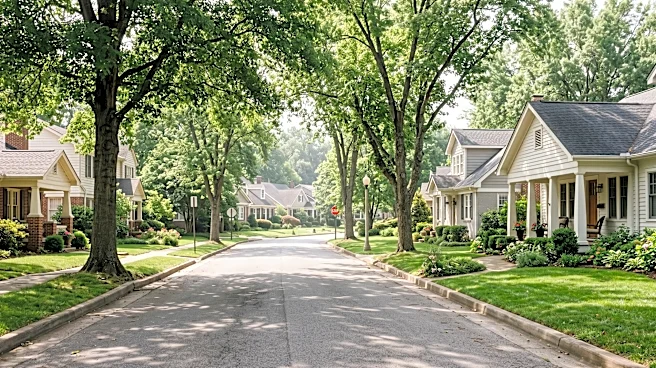
Glendale Gardens, a historic neighborhood in Tuscaloosa, Alabama, is characterized as one of the city's smallest and quietest historic districts. Comprising approximately 33 homes along a single tree-lined street, the neighborhood's original houses date
primarily from 1939 to 1945. It is designated as a City of Tuscaloosa local historic district, meaning that exterior changes to properties require a Certificate of Appropriateness from the Historic Preservation Commission (HPC) before a building permit can be issued. This includes additions, new construction, demolition, and alterations to windows, siding, porches, and fences. Recent property sales in Glendale Gardens have ranged from approximately $320,000 to $750,000, reflecting a mix of original homes and larger rebuilds following the April 27, 2011 tornado.
Why It's Important?
The historic district designation of Glendale Gardens is crucial for preserving the architectural integrity and unique character of this Tuscaloosa neighborhood. The requirement for a Certificate of Appropriateness ensures that any exterior modifications are in harmony with the existing historical aesthetic, preventing unsympathetic alterations that could diminish the area's heritage value. This preservation effort benefits not only the residents by maintaining property values and a desirable living environment but also the broader community by safeguarding a piece of Tuscaloosa's history. For potential buyers, understanding these regulations is vital, as they impact renovation plans and property ownership responsibilities. The HPC's role highlights the city's commitment to balancing modern development with historical conservation, setting a precedent for how other historic areas might be managed.
What's Next?
For residents and prospective buyers in Glendale Gardens, the next steps involve continued adherence to the Historic Preservation Commission's guidelines for any exterior property changes. The HPC meets monthly, and major work requires a public hearing, while minor work may undergo expedited staff review. Individuals planning to purchase or modify properties in the area are advised to consult with HPC staff early in their process, ideally before the inspection period ends, to understand the implications of the historic district rules. The ongoing enforcement of these regulations will shape the future development and appearance of Glendale Gardens, ensuring its historical character is maintained for generations to come. The community will also continue to see a mix of property sales, with prices influenced by the age and condition of homes, as well as the specific historical requirements.
Beyond the Headlines
The designation of Glendale Gardens as a local historic district reflects a growing national trend towards recognizing and protecting neighborhood-level historical assets. This goes beyond individual landmark buildings to encompass the collective character of residential areas. The challenges and benefits experienced in Glendale Gardens, such as balancing property owner rights with community preservation goals, are common in similar districts across the U.S. The process of obtaining a Certificate of Appropriateness, while sometimes perceived as bureaucratic, serves as a critical mechanism for democratic oversight in urban planning, ensuring that development decisions are made with community input and a long-term vision. This approach fosters a sense of collective stewardship over shared heritage, potentially leading to stronger community bonds and a more stable, aesthetically pleasing urban fabric. It also underscores the economic value that historical preservation can bring, as well-maintained historic districts often command higher property values and attract tourism.