


What's Happening?
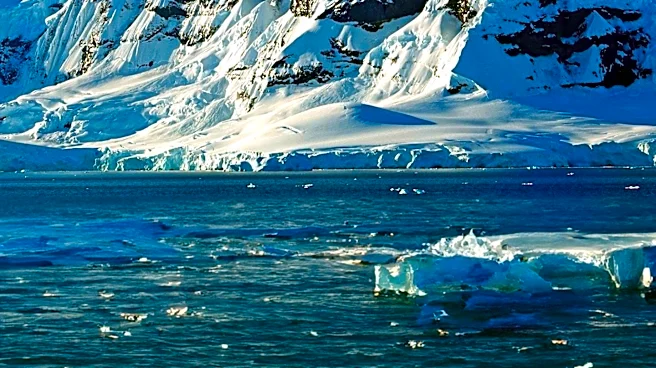
Antarctica, often perceived as a frozen wasteland, is actually the world's largest desert due to its extremely low annual precipitation. Despite its icy landscape, the continent receives only about 2 inches of precipitation per year, classifying it as a desert by
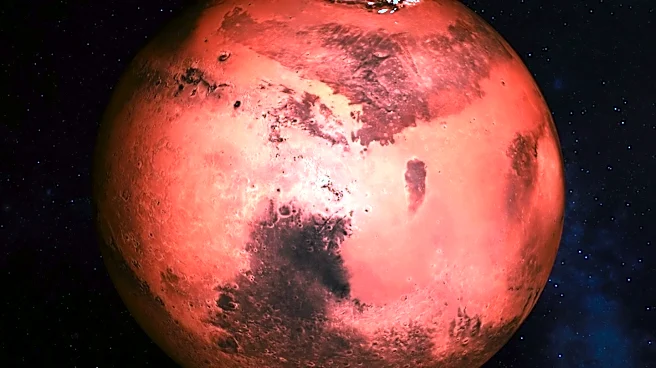
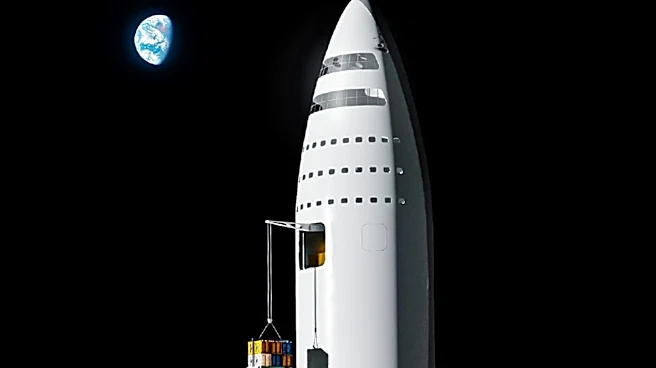
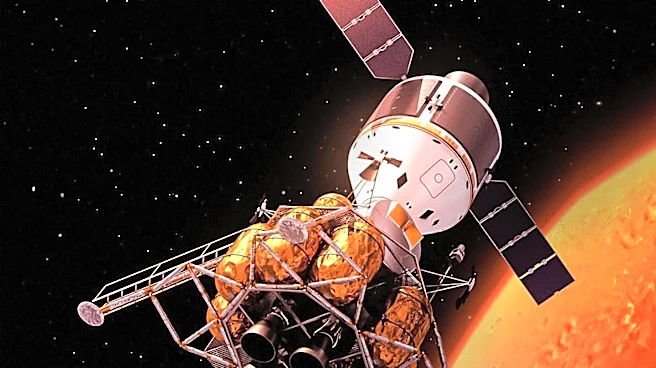
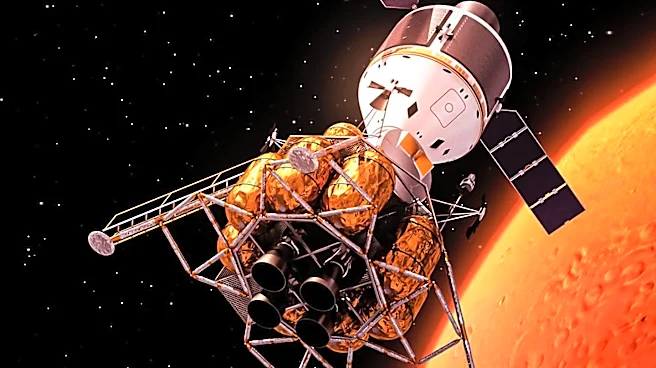
geological standards. This revelation challenges traditional perceptions of deserts as hot, sandy regions. Antarctica's vast ice sheets hold about 90% of the world's ice and 70% of its fresh water, despite the lack of new precipitation. The continent's conditions are so extreme that NASA uses it as a testing ground for Mars exploration technologies.
Why It's Important?
Understanding Antarctica as a desert reshapes our perception of global ecosystems and highlights the diverse conditions that define deserts. This knowledge is crucial for climate science, as Antarctica plays a significant role in global weather patterns and sea level regulation. The continent's unique conditions also provide valuable insights for scientific research, particularly in understanding climate change and its impacts. Additionally, the comparison to Mars underscores the importance of Antarctica in space exploration and technology development.
Beyond the Headlines
Antarctica's classification as a desert emphasizes the need for continued research into its climate and environmental conditions. The continent's role in global climate systems makes it a critical area of study for understanding climate change. Furthermore, the harsh conditions offer a unique environment for testing technologies that could be used in space exploration, particularly on Mars. This dual significance in climate science and space exploration highlights Antarctica's importance beyond its icy facade.