


What's Happening?
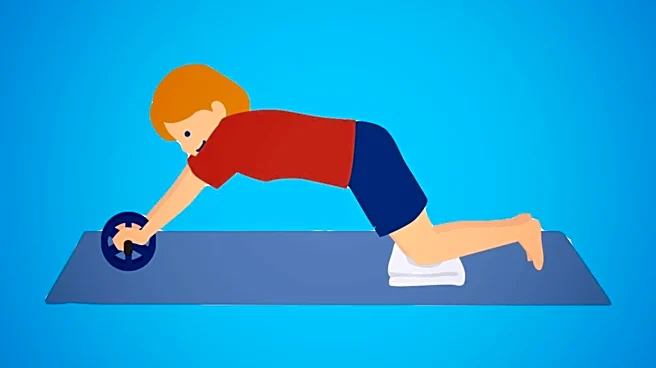
Adults with scoliosis are recommended to perform core stability exercises several times a week, ideally three to five sessions, to manage chronic back pain and improve overall function. Consistent practice of these exercises helps strengthen the muscles
that support the spine, potentially reducing discomfort and maintaining upright posture. It is crucial for individuals with scoliosis to monitor their symptoms during any core exercise routine. Signs that an exercise is worsening scoliosis symptoms include increased back pain, changes in posture, numbness or tingling in the legs, loss of mobility, or heightened discomfort during or after activity. If these signs appear, discontinuing the exercise and consulting a healthcare professional is advised. Adults with scoliosis should avoid exercises that place excessive strain on the spine, such as traditional sit-ups, crunches, heavy twisting movements, and repetitive forward bending, as these can worsen spinal alignment and lead to increased discomfort or further spinal issues.
Why It's Important?
Chronic back pain is a significant issue for many, but it is almost twice as likely in adults with scoliosis, affecting approximately 7 million people in the United States. This condition can severely impact an individual's quality of life, leading to a less active lifestyle and eroding hopes for an active retirement. The guidance on specific core exercises and those to avoid is critical for preventing further spinal damage and managing pain effectively. By strengthening supportive muscles and improving spinal stability, individuals can potentially reduce their reliance on pain medications and avoid more invasive treatments like surgery. This focus on non-surgical, active rehabilitation methods empowers patients to take a proactive role in their health, offering a pathway to better long-term outcomes and improved daily functioning, which is vital for a population often feeling 'stuck' between pain and limited treatment options.
What's Next?
The emphasis on core stability exercises suggests a continued shift towards personalized and rehabilitative approaches for adult scoliosis management. Patients are encouraged to seek guidance from healthcare providers or physical therapists to tailor exercise routines to their specific needs, considering the unique curvature and stability challenges of their spine. The development of tools like the Scoliosis Activity Suit, which aims to stimulate deep-layer intrinsic spinal muscles and reduce spinal rotation, indicates future innovations in non-surgical treatment. Regular check-ups and monitoring of symptoms will remain essential to adjust treatment plans as needed. The goal is to de-rotate the spinal curve and retrain the brain's automatic postural control centers, moving beyond temporary pain reduction to address the underlying biomechanics of scoliosis.
Beyond the Headlines
The discussion around adult scoliosis and core strength highlights a broader challenge in healthcare: effectively managing chronic conditions with a focus on functional improvement rather than just symptom suppression. The distinction between general core strength and 'true core stability' involving intrinsic spinal muscles points to a more nuanced understanding of spinal health. This also brings to light the ethical considerations of exercise prescription, emphasizing that not all exercises are beneficial for everyone, especially those with specific medical conditions. The narrative challenges the common misconception that adult scoliosis cannot be improved non-surgically, promoting hope and active participation in one's treatment. Culturally, it reinforces the importance of informed decision-making in fitness and health, urging individuals to question generalized advice and seek specialized guidance for complex conditions.