





What's Happening?
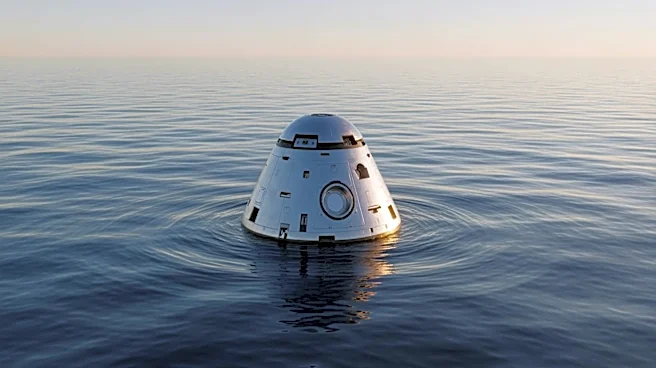
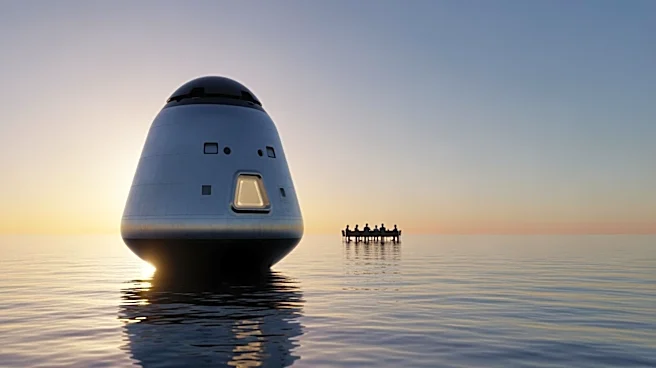
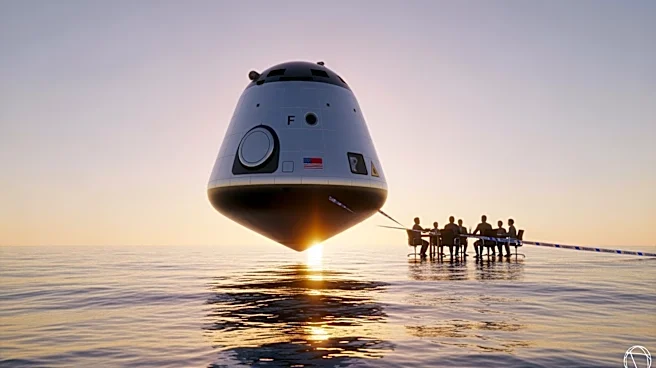
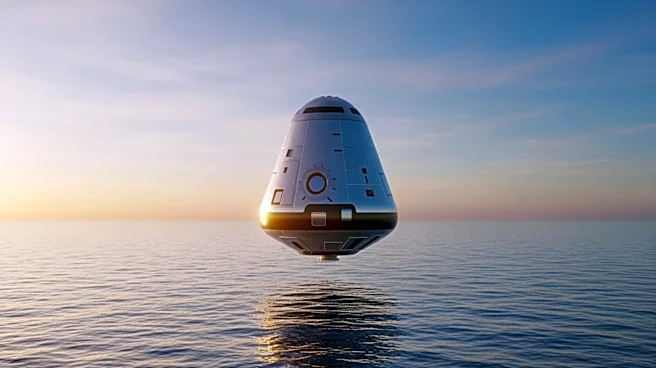
The Artemis II mission signifies a pivotal moment in space exploration as it marks humanity's return to the Moon. This mission, utilizing the Orion spacecraft, is designed to safely transport astronauts into deep space, testing critical systems such as navigation,
communication, and life support. The mission is not merely a test but a significant step towards establishing a sustainable human presence on the Moon. Spectacular images from the mission, including a 'lunar sunset,' have captured global attention, symbolizing humanity's renewed curiosity and ambition in space exploration. Artemis II is part of a broader program aimed at creating operational bases on the Moon and preparing for future missions to Mars, requiring international collaboration and technological advancements.
Why It's Important?
The Artemis II mission is crucial as it represents a new era of space exploration, rekindling global interest and ambition. The technologies developed for this mission have far-reaching implications, potentially impacting everyday life through innovations in materials and communication. The mission also opens up new economic and professional opportunities, involving private companies and startups in the growing space industry. Establishing a human presence on the Moon could lead to significant scientific discoveries and advancements, fostering international cooperation and investment in space technology.
What's Next?
Following Artemis II, the focus will shift towards establishing a lasting human presence on the Moon. This involves creating operational bases and preparing for missions to Mars. The success of Artemis II will likely lead to increased international collaboration and investment in space exploration technologies. Future missions will aim to build on the data and experience gained from Artemis II, advancing the goal of sustainable lunar habitation and exploration.