






What's Happening?
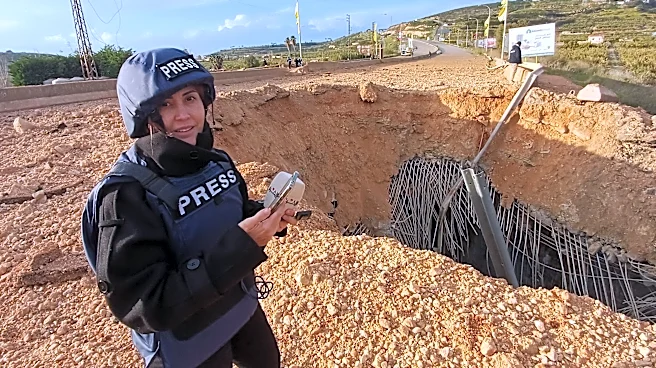
Lebanon's Prime Minister, Nawaf Salam, has accused Israel of committing war crimes after an airstrike in southern Lebanon resulted in the death of journalist Amal Khalil and the serious injury of another journalist, Zeinab Faraj. The incident occurred
during a fragile ceasefire between Israel and Lebanon, which was intended to pause hostilities with the Iran-backed Hezbollah. The Lebanese National News Agency reported that the journalists were taking shelter in a building in the town of Tayri when it was struck. Lebanese authorities have also accused Israeli forces of obstructing emergency workers from reaching the journalists, with reports of Red Cross workers facing hostile gunfire while attempting to rescue the injured. The Israeli military acknowledged the injuries but denied targeting journalists, stating that it does not prevent rescue teams from accessing areas and that the incident is under review.
Why It's Important?
The accusation of war crimes by Lebanon's Prime Minister highlights the ongoing tensions and complex dynamics in the region, particularly between Israel and Hezbollah. The targeting of journalists and the alleged obstruction of rescue efforts raise significant concerns about the safety of media workers in conflict zones and the adherence to international humanitarian laws. This incident could further strain relations between Israel and Lebanon and may impact international diplomatic efforts aimed at maintaining peace in the region. The situation also underscores the broader issue of press freedom and the risks faced by journalists covering conflicts, which could lead to increased calls for international investigations and accountability.
What's Next?
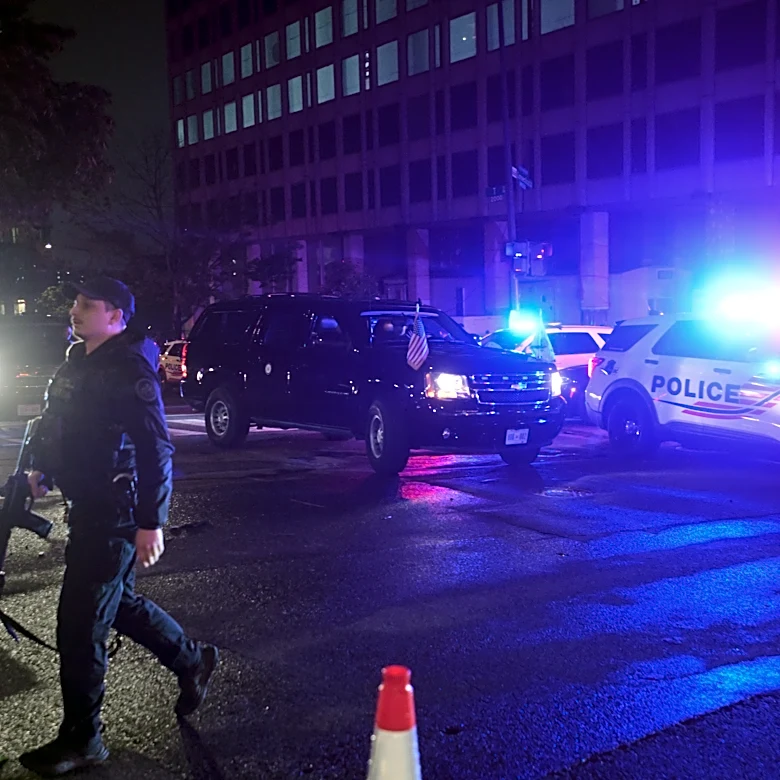
A second round of direct talks between Israeli and Lebanese officials is scheduled to take place in Washington, which may address the recent escalation and seek to reinforce the ceasefire. The international community, including organizations like the United Nations and the Committee to Protect Journalists, may increase pressure on both parties to ensure the protection of journalists and adherence to international laws. The outcome of these talks and any subsequent actions by international bodies could influence the stability of the ceasefire and the broader geopolitical landscape in the Middle East.