



What's Happening?
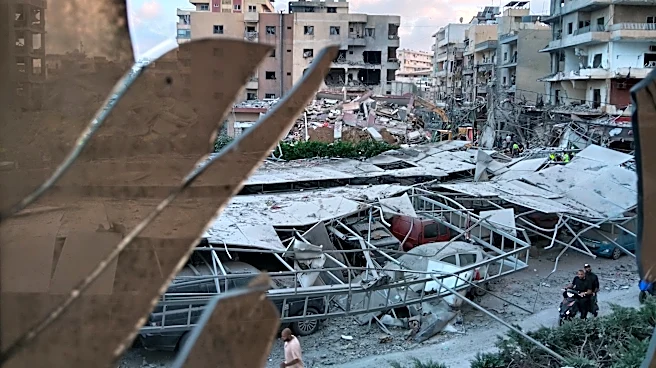
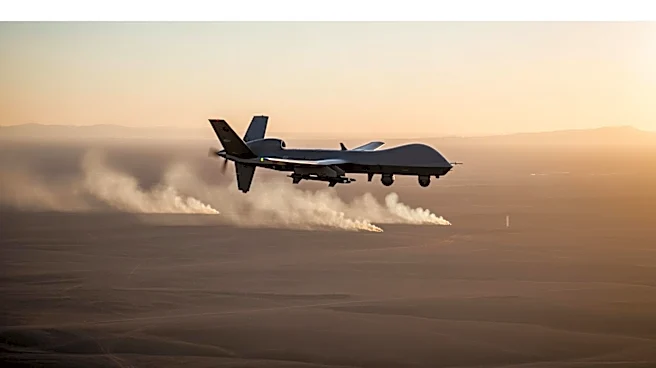
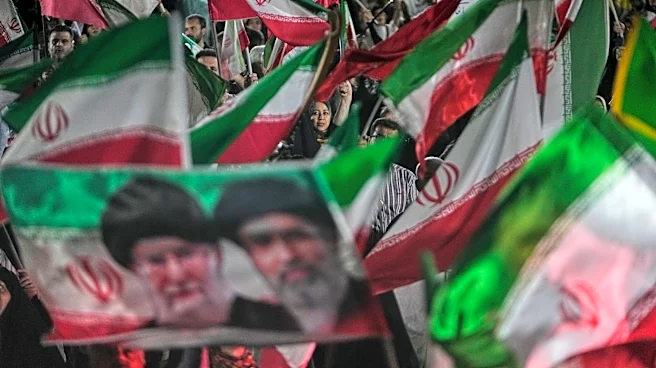
The U.S. military executed self-defense strikes targeting Iranian radar and command control sites over the weekend. This action was in response to aggressive moves by Iran, including the downing of a U.S. MQ-1 drone operating over international waters.
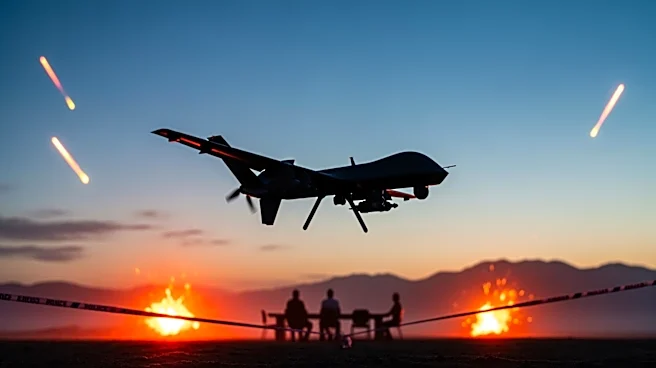
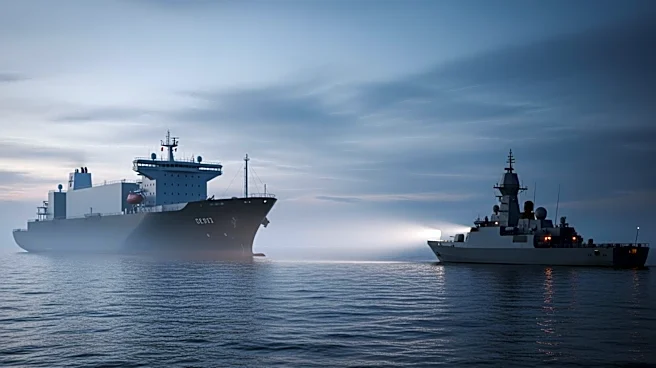
According to U.S. Central Command, the strikes involved fighter jets that destroyed Iranian air defenses, a ground control station, and two suicide drones that posed threats to maritime safety. Despite the escalation, no American troops were injured. The strikes are part of ongoing tensions between the U.S. and Iran, with a ceasefire that began on April 12 still technically in effect, despite increased military activity.
Why It's Important?
These developments underscore the fragile nature of U.S.-Iran relations and the potential for military conflict in the region. The U.S. actions aim to protect its assets and personnel, highlighting the strategic importance of maintaining freedom of navigation in international waters. The incident could impact global oil markets and shipping routes, given the proximity to the Strait of Hormuz, a critical chokepoint for global oil supplies. The situation also reflects broader geopolitical tensions involving U.S. allies and adversaries in the Middle East, potentially affecting diplomatic efforts and regional stability.
What's Next?
The U.S. and Iran may engage in further diplomatic or military actions, with potential implications for international relations and regional security. The Trump administration is reportedly working on a peace deal to end the Iran conflict, which could include lifting the blockade of the Strait of Hormuz. The outcome of these negotiations could significantly influence future U.S. military and foreign policy in the region.