



What's Happening?
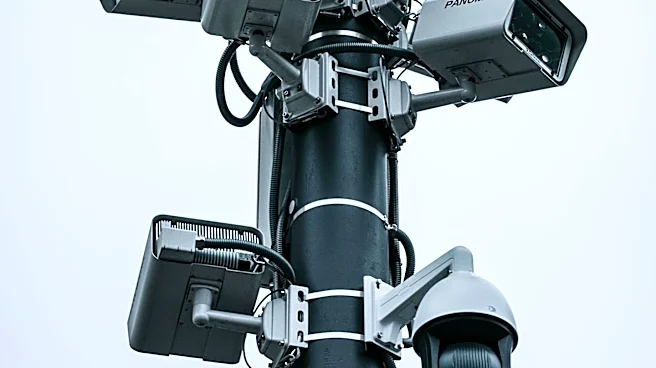
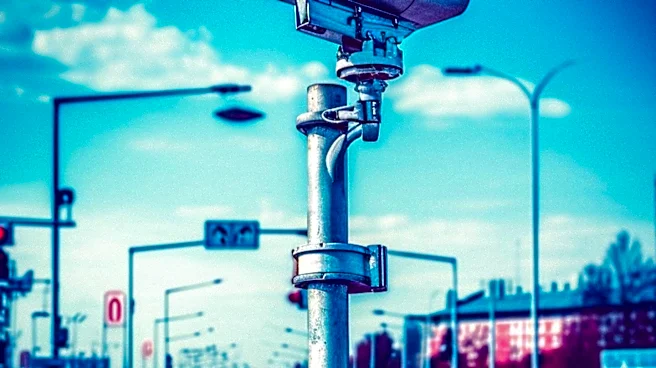
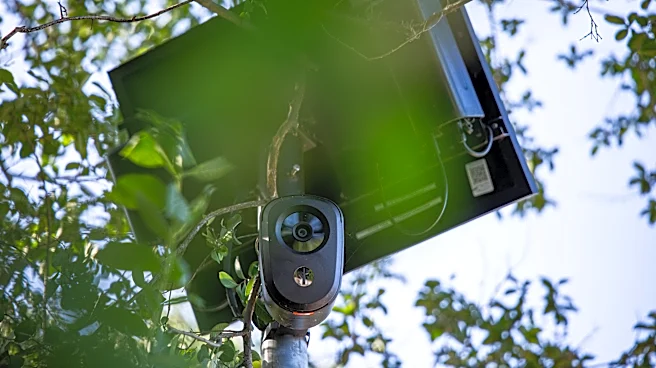
Hong Kong police are set to activate AI facial recognition technology across their extensive surveillance network. This initiative aims to enhance the identification of masked suspects and serve as a deterrent to crime. The South China Morning Post reports
that this deployment signifies a significant upgrade in the city's law enforcement capabilities, leveraging advanced artificial intelligence to process visual data from numerous cameras. The move comes as Hong Kong continues to grapple with various public order challenges, where the ability to identify individuals, even when obscured, is deemed crucial for maintaining security and enforcing laws. This technological integration represents a strategic shift towards more sophisticated policing methods in the region.
Why It's Important?
The implementation of AI facial recognition by Hong Kong police carries significant implications for privacy, civil liberties, and the future of urban surveillance. While proponents argue it will bolster public safety and aid in crime prevention and investigation, critics raise concerns about potential misuse, mass surveillance, and the erosion of individual freedoms. The technology's ability to identify masked individuals could alter the dynamics of public protests and assemblies, potentially discouraging participation due to increased risk of identification. This development also sets a precedent for other global cities considering similar advanced surveillance systems, highlighting the ongoing tension between security imperatives and privacy rights in an increasingly digital world. The effectiveness and ethical boundaries of such systems will likely be a subject of ongoing debate and scrutiny.
What's Next?
Following the activation of AI facial recognition, Hong Kong residents and international observers will closely monitor its impact on crime rates and civil liberties. There may be increased public discourse and potential legal challenges regarding the scope and application of this technology. Law enforcement will likely assess the system's efficacy in identifying suspects and deterring criminal activity, while privacy advocates may push for greater transparency and accountability in its use. The deployment could also influence policy discussions in other jurisdictions contemplating similar surveillance measures, leading to debates about regulatory frameworks and safeguards. Future developments may include further integration of AI into other aspects of policing and urban management.
Beyond the Headlines
The deployment of AI facial recognition in Hong Kong extends beyond immediate crime-fighting implications, touching upon broader societal and ethical considerations. It represents a significant step towards a more technologically mediated form of governance, where algorithmic decision-making plays an increasing role in public order. This raises fundamental questions about the balance of power between the state and its citizens, the definition of privacy in the digital age, and the potential for algorithmic bias in identification processes. The long-term societal impact could include a chilling effect on freedom of expression and assembly, as individuals may self-censor due to the pervasive nature of surveillance. This technological shift could also influence the global development and adoption of AI in law enforcement, setting a benchmark for how such powerful tools are integrated into urban environments worldwide.