



What's Happening?
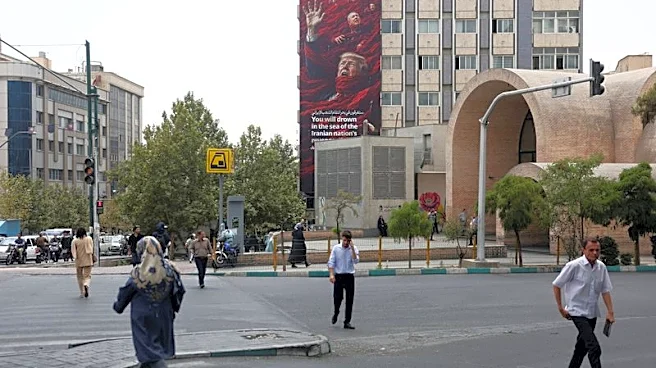
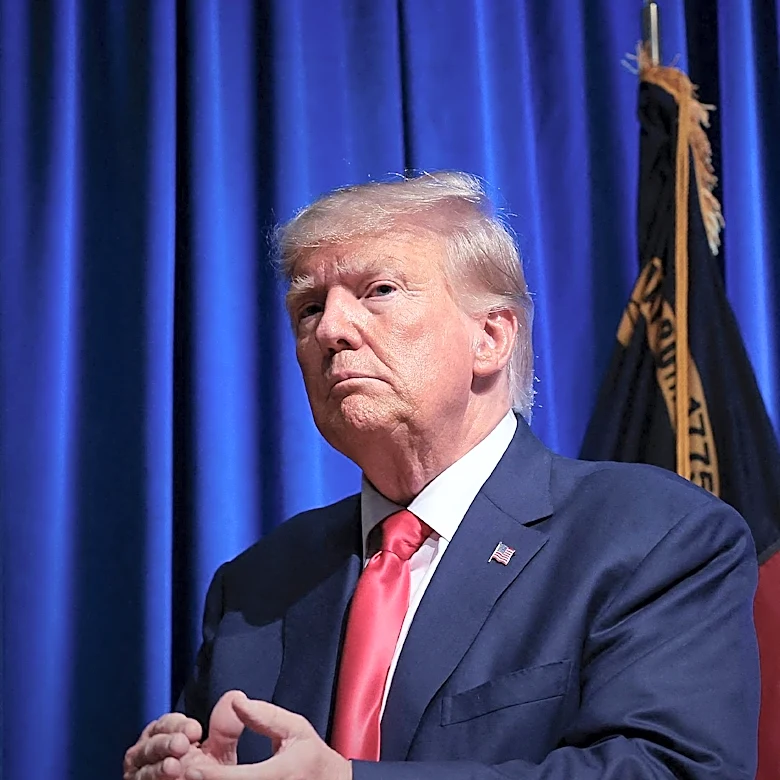
U.S. Central Command (CENTCOM) is exploring 'creative and unconventional' strategies to pressure Iran, as President Trump's options narrow. A senior CENTCOM officer has solicited new ideas from military analysts to address the challenges posed by Iran, reflecting
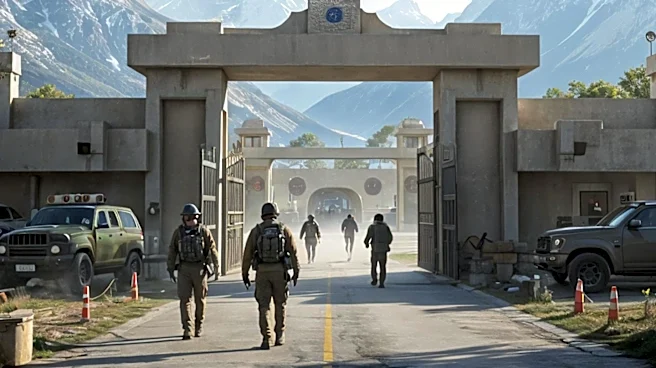
a reassessment of current U.S. strategies. This initiative comes amid ongoing airstrikes aimed at curbing Iran's influence in the Strait of Hormuz. Despite these efforts, there is no indication of an imminent agreement with Iran. The U.S. military is also preparing for potential renewed strikes on Iranian sites, although the effectiveness of such actions is uncertain due to the fortified nature of these locations.
Why It's Important?
The call for innovative strategies highlights the limitations of conventional military approaches in addressing complex geopolitical challenges. CENTCOM's initiative underscores the need for adaptive strategies in a rapidly evolving security environment. The U.S. administration's reassessment of its Iran policy reflects broader strategic considerations, including the risks of escalation and the need to balance military action with diplomatic efforts. The outcome of these deliberations could significantly impact U.S. foreign policy and its approach to regional security in the Middle East.
What's Next?
As CENTCOM explores new strategies, the U.S. administration will likely continue to weigh military options against diplomatic solutions. The potential for renewed strikes on Iranian sites remains, but the focus may shift towards achieving a negotiated settlement. The involvement of regional allies and the international community will be crucial in shaping the future of U.S.-Iran relations. The situation remains fluid, with the potential for both escalation and de-escalation depending on diplomatic developments.