
What's Happening?
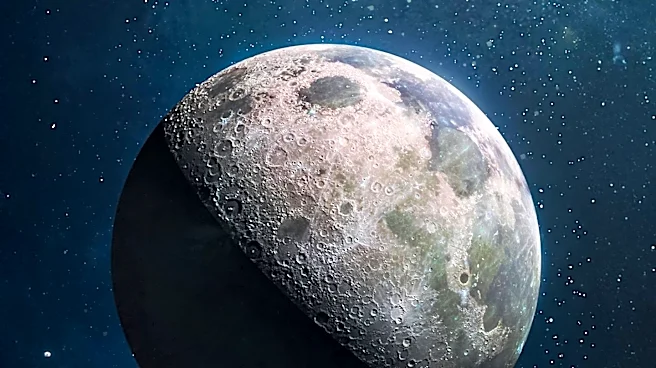
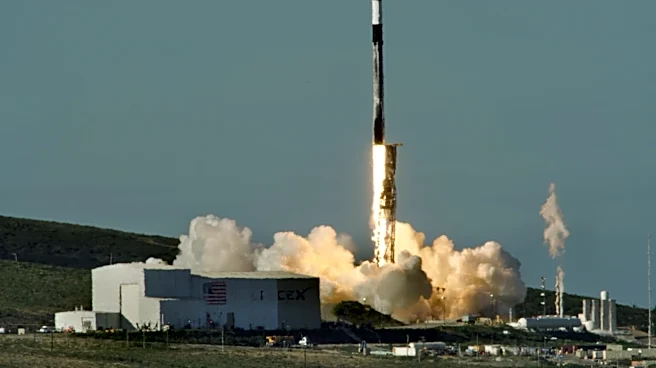
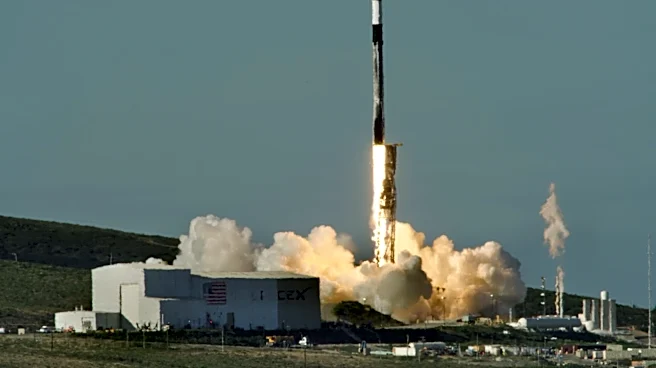
An abandoned SpaceX rocket stage is expected to crash into the Moon on August 5, 2026, at a speed of approximately 8,700 kilometers per hour. The rocket, launched in January 2025, had completed its mission of sending two commercial lunar landers to the Moon but
lacked the fuel to return to Earth or move into deep space. This event underscores a significant regulatory issue as there is currently no comprehensive framework for managing activities that alter the lunar environment. The crash itself poses no immediate danger but raises questions about the governance of lunar activities, as the Moon lacks environmental regulations akin to those on Earth.
Why It's Important?
The impending crash of the SpaceX rocket into the Moon highlights the urgent need for international regulatory frameworks to manage lunar activities. As more countries and private companies aim to establish a presence on the Moon, the lack of coordination could lead to conflicts and potential damage to lunar sites of cultural or scientific significance. The United States, as the home country of SpaceX, could face liability for any damages caused by such incidents. This situation calls for enhanced transparency and coordination among space-faring nations to ensure the Moon is used responsibly and sustainably.
What's Next?
The United Nations Office for Outer Space Affairs and the United Nations Committee on the Peaceful Uses of Outer Space are exploring solutions to better regulate lunar activities. There is a growing call for a fourth UN Conference on Outer Space to develop tools for managing lunar operations. These efforts aim to establish a lunar registry and standardized notices for lunar operators to prevent future accidents and ensure the Moon remains a shared space for all humanity.
Beyond the Headlines
The crash presents a rare scientific opportunity for astronomers to study the impact on the Moon, providing data to improve models of crater formation and lunar dust behavior. However, it also raises ethical questions about humanity's right to alter the Moon's environment. The 1967 Outer Space Treaty, which governs space activities, lacks specific provisions for lunar governance, highlighting the need for updated international agreements.